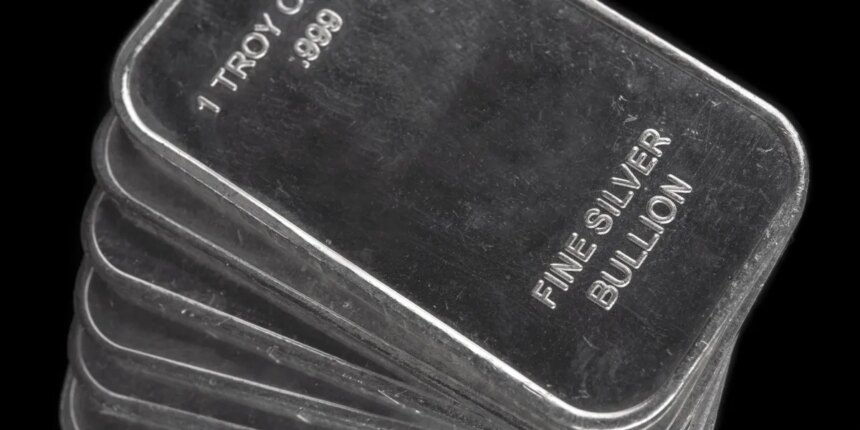
As U.S. markets resumed trading following the Christmas holiday, stock prices remained stable, while precious metals experienced significant volatility. Silver prices surged by 9.6%, surpassing $78 per ounce for the first time in history. Gold appreciated by 1.3%, setting a new record at $4,561 per ounce, and platinum enjoyed a notable increase of 10.5%, reaching its own peak. Palladium also saw a remarkable rise, soaring 13%.
Year-to-date statistics revealed a dramatic uptick in precious metals, with silver climbing 169%, platinum advancing 172%, and palladium increasing 124%. These figures starkly outperformed gold’s gain of 73%, as well as Nvidia’s 42% increase and the S&P 500’s 18% rise.
This recent surge in precious metals coincided with escalating geopolitical tensions, particularly following U.S. military strikes aimed at Islamic State targets in Nigeria on Thursday. Earlier in the week, the Trump administration intensified its actions against Venezuela, sanctioning additional oil tankers, thereby restricting a crucial revenue stream for the Maduro regime.
In conjunction with these measures, the Pentagon deployed a substantial number of special-operations aircraft, troops, and equipment to the Caribbean region. This military buildup, which includes a growing fleet of Navy ships, has heightened concerns about potential regional conflict. President Donald Trump’s comments suggest that U.S. military actions might soon extend beyond targeting drug trafficking vessels to include broader land-based operations.
With the backdrop of potential conflict, investors have gravitated toward safe-haven assets. Additionally, rising debt concerns have made precious metals more attractive than traditional safe assets such as the dollar and yen. Robin Brooks, a senior fellow at the Brookings Institution, highlighted the resurgence of what is referred to as the “debasement trade,” a phenomenon that began to gain momentum following Federal Reserve Chairman Jerome Powell’s hints at interest rate cuts earlier this summer.
Brooks noted that precious metals began to rally significantly after Powell’s dovish stance at the Jackson Hole Economic Symposium in August and subsequent rate cuts in December. He emphasized that investor concerns regarding debt monetization and inflation, coupled with a lack of governmental restraint on deficits, are driving factors behind this trend.
The impact of the debasement trade is not limited to precious metals; currencies of countries with lower public debt levels, such as Switzerland and Sweden, have also shown a correlation with gold and silver prices. Brooks remarked on the notable shift in the Swedish Krona, which has historically been volatile but is now being considered a safer currency in light of current market dynamics.
Market analyst Ed Yardeni attributed the increased interest in precious metals to fears regarding the stimulative impacts of U.S. monetary and fiscal policies anticipated for the coming year. Wall Street is bracing for further rate cuts from the Federal Reserve, along with continuing bond purchases. Meanwhile, consumers could start feeling the effects of tax cuts announced by Trump, as he alluded to the idea of potential “tariff dividend” checks, contingent on Congressional approval.
Amid these developments, projections indicate that the federal budget deficit could expand substantially in early 2026, potentially prompting “Bond Vigilantes” to elevate Treasury bond yields, which could trigger a correction in the stock market. This confluence of factors underscores the ongoing complexities within the financial landscape, as investors seek refuge in precious metals against the backdrop of geopolitical uncertainties and domestic fiscal concerns.