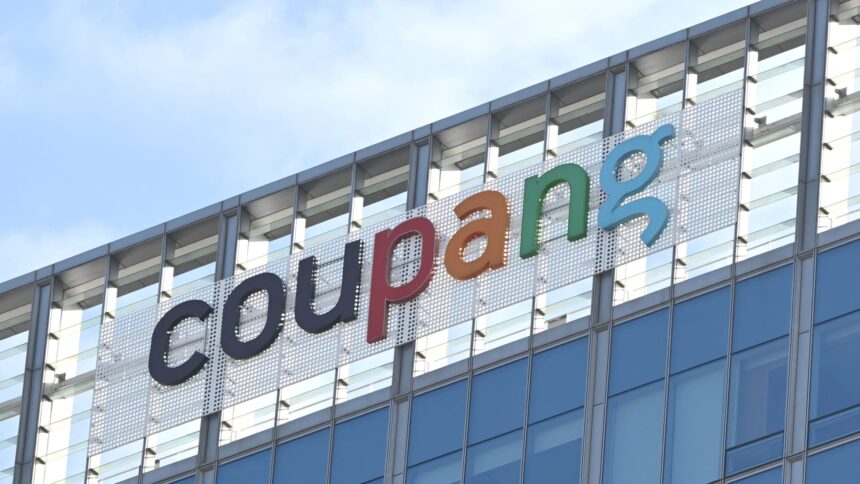
A South Korean online retail giant has announced a substantial compensation package for customers affected by a significant data breach revealed last month. The company, Coupang, stated it will provide 1.69 trillion South Korean won, which equates to approximately $1.17 billion, to 34 million users impacted by this incident.
In a statement released on a Monday, Coupang outlined its plan to offer purchase vouchers worth 50,000 won that can be used for various services on its platform. Additionally, former customers who closed their accounts due to the breach will also qualify for these vouchers. Users can begin checking their eligibility for the vouchers starting January 15.
Harold Rogers, the interim CEO of Coupang Corp., referred to this compensation effort as a “responsible measure for our customers,” emphasizing the company’s commitment to fulfilling its responsibilities. He reiterated his deep apologies to customers affected by the breach.
This apology came shortly after the company’s founder, Kim Bom, expressed his own regrets, stating he felt “devastated” by the disappointment experienced by users. The breach, brought to light on November 18, triggered the resignation of CEO Park Dae-jun earlier this month, marking a tumultuous time for the company.
In a follow-up statement, Kim Bom acknowledged the company’s failure to communicate effectively during the incident. He admitted that his response was “overdue,” explaining that he had initially believed it was best to wait until all facts were confirmed before making a public apology. He recognized this as a misjudgment, stating that while efforts to resolve the situation were ongoing, a heartfelt apology should have been issued sooner.
Kim further explained that the company has successfully recovered all leaked customer information through cooperation with government authorities, including the recovery of storage devices belonging to a suspect implicated in the breach. He clarified that the customer data involved consisted of only 3,000 records and that this information was neither distributed nor sold to external parties.