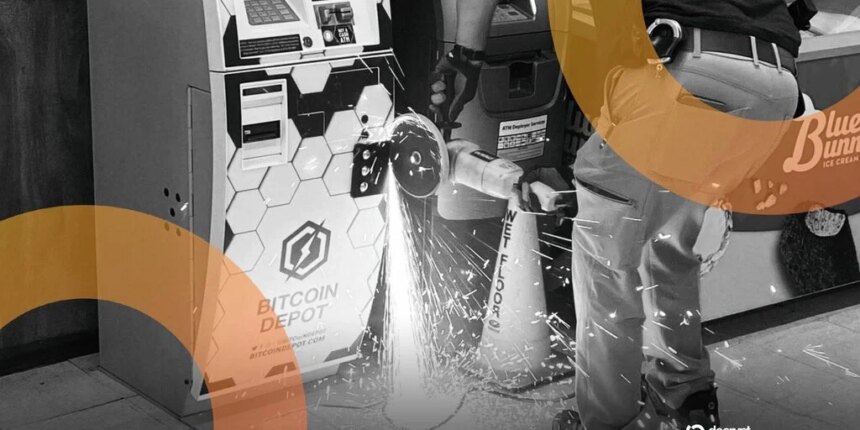
In 2025, crypto ATMs became a focal point for law enforcement and regulatory efforts, driven by a surge in scams that were exploiting these machines across the United States. Officials and lawmakers amplified their scrutiny in response to alarming statistics: consumer reports indicated losses amounting to $246 million from such ATMs in the previous year, a staggering 99% increase from 2024. Notably, 43% of these losses were attributed to Americans aged 60 and above, highlighting the vulnerability of older adults to financial scams.
Scammers have been utilizing crypto ATMs to fleece unsuspecting victims, particularly targeting seniors. Common tactics include impersonating government officials or tech support workers to extract cash from the elderly. In a notably creative scam in Massachusetts, scammers falsely claimed that individuals had missed jury duty, demanding cryptocurrency payments. The irreversible nature of crypto transactions poses a significant challenge for victims seeking recovery, while the legal frameworks surrounding these transactions often shield operators from liability.
Legal action has been a response to this rising trend, with state attorneys general taking the lead. In Iowa, Attorney General Brenna Bird filed a lawsuit against major crypto ATM operators like Bitcoin Depot and CoinFlip, accusing them of profiting from scams while imposing hidden fees. Similar sentiments were echoed in Washington, D.C., where the Attorney General targeted Athena Bitcoin for allegedly exploiting elderly customers with hefty undisclosed fees.
Efforts to regulate these machines are underway, yet progress has been sluggish at the federal level. Subsequently, several states have begun drafting or enacting laws aimed at curbing fraudulent activities and enhancing protections for consumers. For instance, Illinois recently became the first state in the Midwest to implement restrictions on crypto ATMs, including registration requirements, transaction caps, and limitations on daily withdrawals for new users.
On Capitol Hill, Senator Dick Durbin introduced the Crypto ATM Fraud Prevention Act, which aims to impose transaction limits and ensure refunds for victims who report fraud within a specific timeframe. However, with the legislative process stalling, advocates continue to push for stronger protections.
Consumer advocacy groups are actively engaged in addressing these issues, with AARP reporting that 20 states have taken steps to combat scams linked to crypto ATMs. Some cities, like Spokane, Washington, have even instituted comprehensive bans on these kiosks, further illustrating the growing concern over their impact.
As of mid-November 2025, approximately 30,750 crypto ATMs were operational in the U.S., constituting 78% of the world’s total. Despite this proliferation, the global count of such machines has remained stagnant since 2022. In contrast to the fragmented U.S. approach, some countries have adopted more comprehensive measures; New Zealand, for instance, has outright banned crypto ATMs to enhance financial security and combat crime.
This ongoing crisis invites questions about the ethical responsibilities of crypto ATM operators. While they tout their machines as essential financial tools enabling individuals to purchase digital assets with cash, critics argue that these companies must take more stringent measures to protect vulnerable populations from fraudulent schemes. The intensifying regulatory scrutiny and evolving consumer warnings signal that the future of crypto ATMs may be reshaped significantly in the months to come.