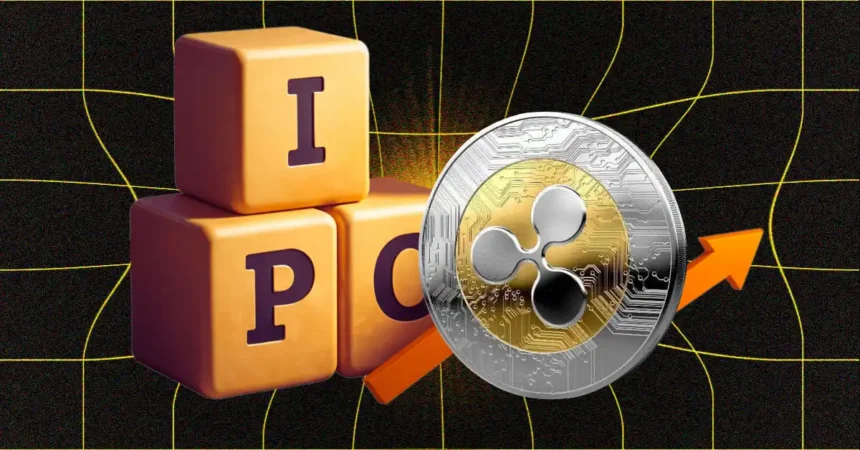
Ripple, the innovative blockchain payments company behind the cryptocurrency XRP, is reportedly gearing up for a potential initial public offering (IPO) slated for 2026. This development has captured the attention of industry analysts, who rank Ripple among the most anticipated public listings, with some estimates placing its valuation near an impressive $50 billion.
According to multiple reliable sources, Ripple is currently engaged in advanced internal discussions regarding its IPO plans. These discussions indicate a proactive approach, rather than casual speculation. The company has also bolstered its internal infrastructure, enhancing reporting and governance standards—key steps typically undertaken by firms preparing to go public. Simultaneously, Ripple is cultivating bank partnerships and expanding payment services, aiming to establish a consistent revenue stream in real-world applications. The firm continues to position XRP as a critical liquidity tool within its payment ecosystem, highlighting a focus on utility and long-term value as opposed to fleeting market trends.
Market data suggests that Ripple stands out as one of the largest potential IPO candidates for the coming year. In recent comparisons, Ripple ranks ninth among the top private companies expected to enter the public domain in 2026, joining prestigious companies such as SpaceX, OpenAI, ByteDance, and Stripe. Analysts cite several factors that contribute to Ripple’s distinguished position, including robust market momentum, improving regulatory conditions, and an increase in global adoption of its technologies.
Despite this momentum, Ripple’s leadership has firmly pushed back against growing IPO speculation. President Monica Long has reiterated that the company currently has “no plan and no timeline” to go public, emphasizing that Ripple is well-capitalized and does not require public fundraising. CEO Brad Garlinghouse has echoed this sentiment, suggesting that any discussions concerning an IPO would be viewed as a long-term consideration rather than an immediate undertaking.
The landscape for other crypto firms indicates a trend toward public listings, further fueling speculation about Ripple’s potential path. Recently, Circle has successfully gone public, while other prominent players such as Kraken, Grayscale, and BitGo are either filing paperwork or engaged in advanced discussions regarding IPOs. In Asia, Dunamu, the operator of Upbit, is preparing for a public debut through a merger. This broader trend within the industry may pave the way for Ripple to explore similar opportunities.
A potential Ripple IPO raises several questions among stakeholders, primarily regarding its impact on XRP governance and usage. Experts suggest that an IPO would not alter how the XRP Ledger operates, as it remains an open-source network independent of Ripple’s ownership. However, strategic business decisions made by Ripple post-IPO could significantly influence how it promotes XRP-based payment products.
Regulatory hurdles could still pose challenges for a Ripple IPO, particularly in securing sustained clarity in major markets like the United States. The scrutiny faced by crypto-related disclosures creates a complex environment, where any lingering legal or compliance issues could delay the timeline for a public listing.
If Ripple ultimately moves ahead with an IPO, early private investors and long-term employees with equity shares are likely to see the most direct financial benefits. Additionally, banks and payment partners may experience indirect advantages from increased transparency and the credibility that comes with a public offering.
Investors watching Ripple’s IPO trajectory should keep an eye on pivotal indicators, such as new hires in finance or compliance roles, the release of audited financial disclosures, and any shift in public commentary from Ripple executives—from outright denial to conditional openness regarding IPO prospects. These developments often signal a company’s readiness to file for an IPO.
As Ripple navigates this potential next chapter, the cryptocurrency community remains vigilant, awaiting further updates and insights into the company’s strategic decisions regarding public listing and market engagement.