In a year marked by increasing tensions, former President Donald Trump ramped up his criticism of Federal Reserve Chair Jerome Powell, a figure he appointed during his first term. Throughout the year, Trump has openly expressed dissatisfaction with the Fed’s monetary policy, repeatedly calling for interest rate cuts to spur economic growth. His rhetoric towards Powell has taken a confrontational tone, with Trump labeling him “stupid,” “Too Late,” and more on his social media platform, Truth Social.
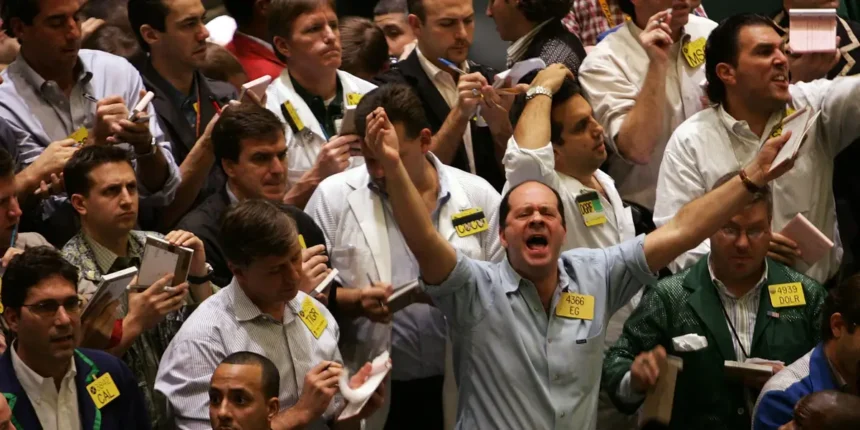
The tension between the two reached new heights in April when Trump remarked that Powell’s departure from the Fed could not come soon enough, a comment that coincided with significant drops in U.S. stock prices. The market reacted negatively, showcasing the potential ramifications of Trump’s statements on investor confidence. Further concerns arose in July when Bloomberg reported that Trump was considering the possibility of firing Powell. This speculation led to another wave of stock sell-offs and caused the 10-year U.S. Treasury yield to rise, signaling unease in long-term economic stability.
This ongoing confrontation has drawn attention not just for its aggressive nature, but also for its deviation from traditional presidential behavior. Historically, U.S. presidents have allowed the Federal Reserve to operate with a degree of independence, setting a precedent that many view as crucial for maintaining economic stability. Trump’s public critiques have sparked fears that direct presidential intervention in monetary policy could lead to heightened inflation and long-term increases in interest rates.
Despite the mounting pressure and speculation surrounding Powell’s position, Trump clarified in April that he did not intend to fire the Fed Chair. However, in a recent interaction with reporters at Mar-a-Lago, he hinted at the possibility of such a move as a hypothetical scenario, suggesting that the feud may continue to influence financial markets and economic outlook.
As this narrative unfolds, the implications of Trump’s rhetoric on U.S. economic policy remain a point of concern for analysts and investors alike.