As the year draws to a close, holiday festivities reflect a diverse range of celebrations, from New Year’s Eve parties or watching the Times Square ball drop to late-night workout classes and AMC screenings of the “Stranger Things” finale. Amid these varied celebrations, investors are preparing for the market’s opening with insights drawn from the year.
2025 has been a year marked by significant trends influencing Wall Street, Main Street, and Silicon Valley. Here are five key themes for investors to consider as the year ends.
1. Stock Market Resilience
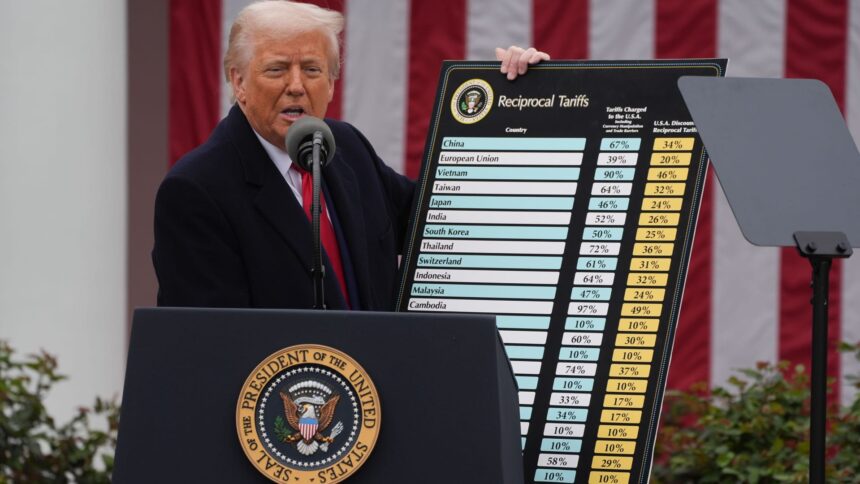
Despite its ups and downs, the stock market demonstrated remarkable resilience throughout 2025. Major indexes have reached all-time highs, reflecting a strong third consecutive year of growth. The S&P 500, after a notable dip into bear market territory in April due to President Trump’s tariff announcement, saw retail investors capitalizing on the market’s lows by buying into tech stocks like Palantir and Nvidia. Analysts maintain an optimistic outlook for continued stock price growth in the coming year.
2. Trade Policy Turmoil
The reintroduction of tariffs under Trump’s administration created a complex landscape for investors and enterprises. The new tariffs prompted businesses to restructure their supply chains and engage with D.C. in an effort to mitigate the impact of proposed levies. Economists have voiced concerns about potential inflationary pressures and rising consumer prices, particularly how smaller companies, unlike their larger counterparts, may struggle to absorb increased costs. The legality of these tariffs remains uncertain as the Supreme Court deliberates their implications.
3. The AI Surge
Artificial intelligence has been at the forefront of technological advancements in 2025. Companies like Nvidia and OpenAI have formed high-value partnerships to meet skyrocketing demand for AI solutions. While investor enthusiasm for AI stocks continues, skepticism circulates regarding the possibility of an AI market bubble. The ramifications of such a scenario could significantly impact both the stock market and the broader U.S. economy, which increasingly relies on AI expenditures.
4. Federal Reserve’s Influence
The Federal Reserve’s actions have dominated the economic narrative this year, particularly amid Trump’s pressures for lower interest rates. Despite reducing rates three times to between 3.5% and 3.75%, Trump continues to express a desire for further cuts, declaring a willingness to fire the Fed Chair, Jerome Powell—a move both unprecedented and potentially controversial. The ongoing power struggle poses questions about the Fed’s direction in upcoming years as Powell’s term expiration looms.
5. Economic Disparities
The “K-shaped economy” has emerged as a defining characteristic of the consumer landscape in 2025. While upper-income consumers thrive, those on the lower end experience heightened financial strain. This divergence manifests in market strategies, with airlines enhancing premium services while fast-food chains focus on affordability. Compounding this, the job market has felt the effects of economic stagnation, particularly among new graduates, fueling low consumer sentiment. A protracted government shutdown further exacerbated concerns about economic stability, leaving many Americans feeling disillusioned.
As the year concludes, these themes encapsulate the multifaceted environment faced by investors and consumers alike, setting the tone for the challenges and opportunities that lie ahead in 2026.