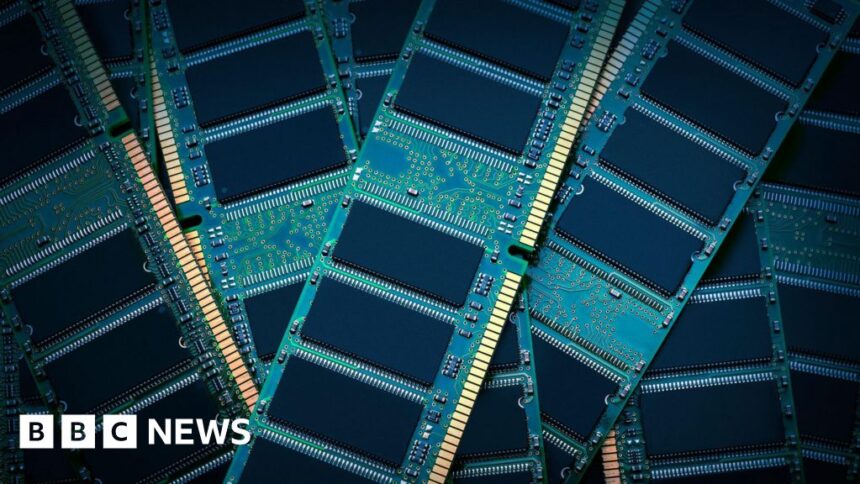
The escalating prices of RAM, a critical component in various electronic devices, may result in higher costs for consumers by 2026. Once considered an affordable part of technology, RAM prices have surged more than doubled since October 2025, driven significantly by the booming demand from data centers supporting artificial intelligence (AI).
As AI technologies advance, organizations require more memory to power their operations, creating a supply-demand imbalance that is pushing prices upward. Manufacturers typically absorb minor price increases, but the current escalation is substantial enough that many are likely to pass these costs on to consumers. Steve Mason, general manager of CyberPowerPC, noted, “We are being quoted costs around 500% higher than they were only a couple of months ago.” He emphasizes that manufacturers will soon face tough decisions regarding pricing, especially for products reliant on memory and storage.
RAM, or random access memory, is vital for device functionality, enabling user interactions, such as reading articles or running applications. With the increasing price trend, Danny Williams from PCSpecialist anticipates that consumer demand may drop in 2026 unless prices stabilize. He observed varying impacts across different RAM vendors, with some showing more moderate increases due to larger inventories, while others reported price hikes of up to five times.
Chris Miller, author of “Chip War,” highlighted the surge in demand for high-bandwidth memory due to AI applications as the primary factor driving up memory prices. The fluctuation in prices often correlates with supply and demand, and current conditions indicate persistent high demand. Mike Howard from Tech Insights suggested that cloud service providers clarifying their memory needs for upcoming years has given RAM manufacturers insight into future demand. However, supply capabilities are not expected to align with the anticipated demands from major tech companies like Amazon and Google.
As a result, manufacturers that have strategically built inventory are poised to mitigate price increases, but such foresight is rare. Presently, memory costs represent a more significant portion of PC manufacturing expenses, climbing from an average of 15-20% to potentially 30-40%. As these costs escalate, consumer electronics like laptops and smartphones are expected to witness corresponding price increases. Howard estimated that the manufacturing cost of a typical laptop with 16GB of RAM could rise by $40 to $50, while smartphones might see increases of around $30.
In light of these developments, consumers will have to navigate a more costly market for computers and smart devices. Mason pointed out that some companies, including Micron, have shifted their focus entirely towards AI, which could either limit consumer choice or enable manufacturers to redirect capacity towards consumer products.
The shifting landscape suggests that consumers may face a dilemma: either invest in higher-priced technology for better performance or opt for less powerful, older devices as a more cost-effective solution. This landscape calls into question how everyday individuals will adapt to the evolving prices and choices in modern technology.