As the year unfolded, a complex interplay of tariffs, economic uncertainties, advances in technology, and market volatility painted a vibrant yet tumultuous picture for investors. Against this backdrop, the 2025 Oracles of Wall Street list was released, spotlighting several astute market forecasters who managed to navigate the chaos with remarkable clarity.
Among the notable trends this year was the S&P 500’s impressive 17% rally, which followed a rollercoaster ride that began with a steep drop after President Trump’s announcement of high “reciprocal” tariffs. Many analysts were cautious amid fears of an economic downturn, yet some managed to anticipate the market’s recovery, leading to a year-end close around 6,900.
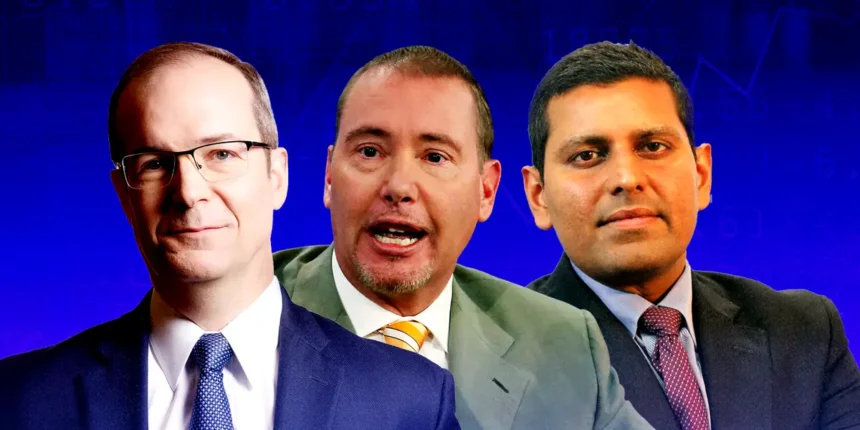
Manish Kabra, chief US equity strategist at Société Générale, accurately predicted the S&P 500’s trajectory with his target of 6,750. He attributed his bullish stance to the potential of Trump’s deregulatory and low-tax policies, which he believed would bolster growth. Looking forward, Kabra is optimistic about the index, setting a 2026 target of 7,300 while advocating for investments in consumer cyclical, financial, and industrial sectors that could thrive under economic reforms.
Nicholas Colas, co-founder of DataTrek, also provided a credible estimate with a target of 6,840. He emphasized the importance of a stable economy for the US equity market and expressed confidence that no immediate downturn was on the horizon. His foresight aligns with a strategy focusing on sectors such as materials, real estate, and utilities for 2026.
The market experienced a severe blow following the tariff announcement on April 2, causing the S&P 500 to plummet by 12% in just days. However, David Sekera, chief market strategist at Morningstar, identified this downturn as a prime buying opportunity, declaring on April 9 that the market had reached a substantial discount to its fair value. Following his advice, the S&P 500 surged 10% that very day.
BCA Research’s Marko Papic predicted prior to the tariff announcement that Trump would likely reconsider his approach if the stock market reacted negatively. He accurately anticipated a policy reversal, noting that any significant drop in the market would influence the political landscape and the administration’s public perception. Papic’s looking-ahead forecast sees international stocks thriving and the dollar’s value declining further.
Ryan Detrick, chief market strategist at Carson Group, noted crucial indicators from the market that positioned April 9 as a significant tactical low. With the prevailing patterns resembling those at previous nadirs, he suggested an optimistic trajectory for the forthcoming year, particularly for commodities, which he expects to outperform bonds.
In a parallel vein, gold’s price surge of over 60% highlighted a significant shift in investor sentiment amidst fears of currency debasement. While Wall Street’s forecasts typically capped gold around $3,000, Jeffrey Gundlach, founder of DoubleLine Capital, boldly predicted that gold would exceed $4,000 an ounce—a projection he maintained throughout the year. Gundlach argued that gold was increasingly seen as a stable asset amid geopolitical turmoil and rising debt concerns.
As the market closes in on 2026, these forecasters underscore a blend of cautious optimism and strategic foresight, aiming to guide investors in navigating potential challenges and opportunities in the evolving financial landscape. Their insights will undoubtedly shape investment strategies and market sentiments as the new year approaches.