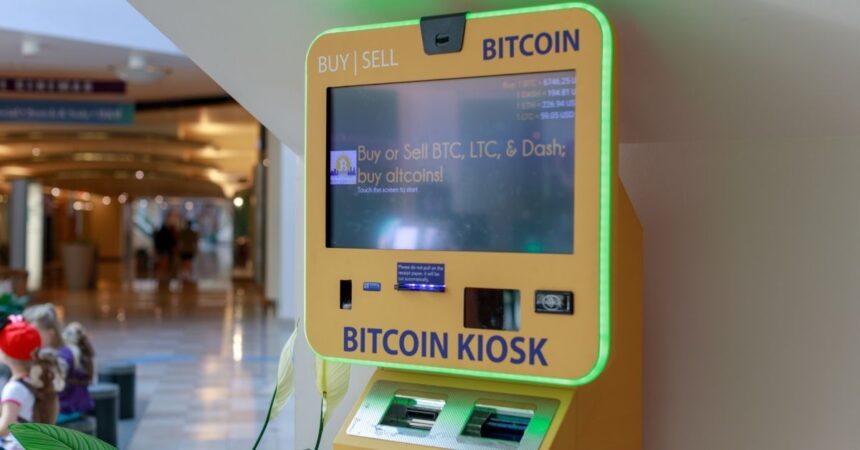
The Federal Bureau of Investigation has reported a concerning surge in fraud involving Bitcoin ATMs, with thieves stealing over $333 million from American citizens in 2025. This significant figure represents a marked increase from previous years, indicating a troubling trend in cryptocurrency-related scams. In 2024, the losses attributed to these scams were approximately $250 million, illustrating that complaints rose sharply as they more than doubled compared to 2023.
Between January and November of 2025 alone, reported losses reached about $333.5 million. Scammers typically impersonate legitimate institutions such as government agencies or financial entities, pressuring victims into making immediate payments via cryptocurrency. Often, victims are directed to Bitcoin ATMs where they deposit cash, which is subsequently transferred to digital wallets — a process that is extremely difficult for authorities to trace or reverse.
With over 45,000 Bitcoin ATMs operational across the country, consumer advocacy groups highlight how the quick and irreversible nature of transactions through these machines makes them an appealing target for malicious actors. The speed at which funds can be transferred globally adds to the risks, as victims often find themselves left with few options for recovery once the money is sent.
Particular concern has been raised about the impact on older Americans, a demographic frequently targeted in these fraudulent schemes. Advocacy organizations are calling for stricter safeguards, such as daily deposit limits and more prominent fraud alerts, to protect vulnerable populations.
In response to the growing threat, regulatory actions have been initiated at both the state and local levels. Recently, the Washington, D.C., attorney general’s office filed a lawsuit against Athena Bitcoin, asserting that the company has profited from transactions linked to fraudulent activities. Athena Bitcoin has refuted these claims, maintaining that it actively discloses fraud warnings and focuses on consumer education, arguing that it does not control the decisions made by users.
In recent years, at least 17 states have enacted laws aimed at regulating Bitcoin ATMs, and various municipalities are contemplating restrictions or outright bans on these machines to curb the rise of fraud.
Authorities continue to advocate for consumer awareness, urging individuals to be cautious of any requests for immediate cryptocurrency payments, reminding the public that legitimate government agencies never ask for transactions via Bitcoin ATMs.