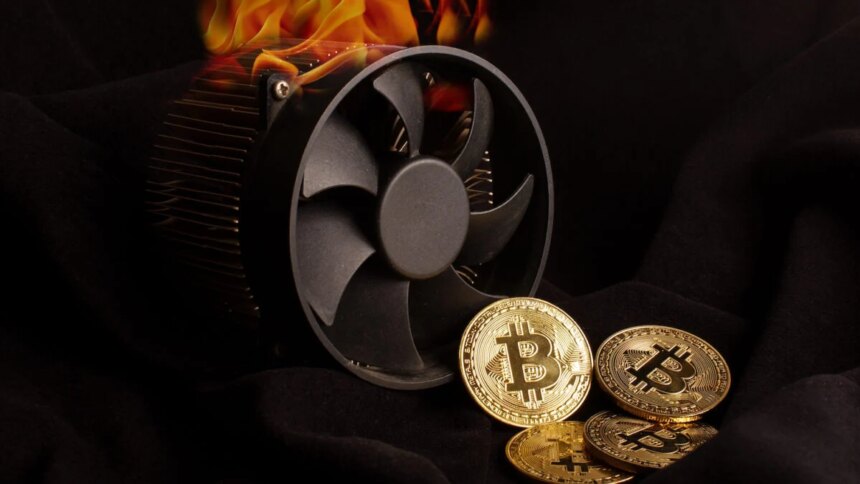
The energy-intensive process of bitcoin mining generates significant excess heat as a byproduct of the computationally intensive work that miners undertake to verify transactions and produce new blocks on the blockchain. This heat, produced by specialized mining hardware, has sparked interest in its potential alternative uses, such as residential heating and greenhouse conditioning. Proponents argue that harnessing this waste heat could offset costs associated with both bitcoin mining and heating, presenting a more sustainable approach to energy use in mining operations.
Recent developments indicate that the concept of utilizing excess heat from bitcoin mining is transitioning from theory to practical application. One notable advancement is Marathon Digital Holdings, which has implemented a district heating project in Finland capable of providing heat for around 80,000 residents as of late 2024. By transferring heat generated from mining operations to water, which is then distributed through underground pipes, the initiative seeks to offer a dual benefit: creating a revenue stream through bitcoin mining while simultaneously heating local homes.
At the CES 2026 conference, Superheat revealed an innovative water heater that integrates bitcoin mining, aiming to offer a cost-effective solution for home heating. Other companies, including Heatbit, RY3T, and Softwarm, are also exploring similar concepts, with Heatbit providing space heaters designed to improve room temperature while leveraging bitcoin mining. These businesses are tapping into a growing market for energy-efficient heating solutions that are both economical and environmentally friendly.
Additionally, the heating capacities of bitcoin mining are being explored for agricultural uses, particularly in greenhouses in colder climates. An initiative in Canada has demonstrated how heat extracted from bitcoin mining can successfully sustain a warming system for tomato growth. Historical case studies, such as those conducted by Cornell University, have suggested that such approaches enhance energy efficiency and lower operational costs, especially in regions where traditional energy sources may be more expensive or less reliable.
However, the economic viability and practicality of these systems remain under scrutiny. Critics often argue that bitcoin mining itself is an inherently wasteful exercise and that the energy consumed could be better utilized elsewhere. The high costs associated with electricity, particularly in areas lacking affordable energy sources, may also discourage the widespread adoption of bitcoin mining for heating purposes. In scenarios where other heating methods, such as natural gas, are significantly cheaper, utilizing bitcoin mining heat might not be financially justifiable.
Furthermore, there can be complications related to maintaining such hybrid heating systems. If the mining equipment integrated into home heating units fails, the expected cost savings may evaporate, raising concerns for consumers about relying on such technology long-term.
As the landscape of bitcoin mining continues to evolve, its integration into heating solutions showcases the potential for innovative energy applications. While early indications suggest promising avenues for combining bitcoin mining and heating, it remains uncertain whether this approach will be widely adopted or simply prove to be a transient trend amid the broader energy market.