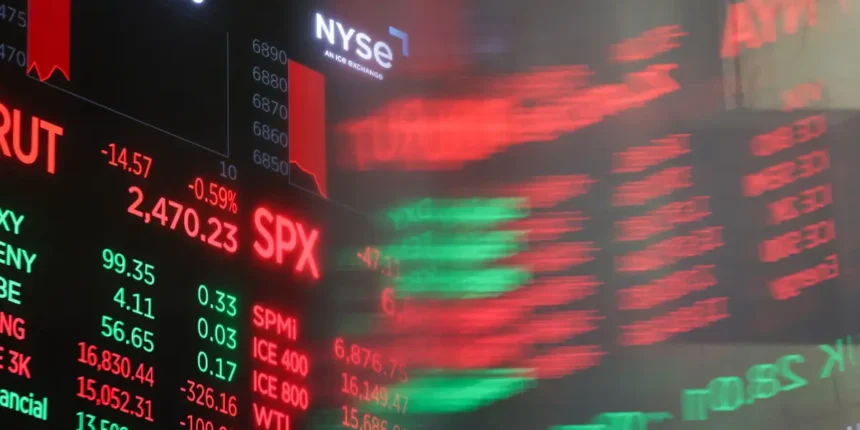
In a candid assessment of the current investment landscape, prominent economist Mohamed El-Erian has raised concerns about the sustainability of the AI-driven market boom that characterized the previous year. Despite the impressive market rally powered by advancements in artificial intelligence in 2025, El-Erian warns that a range of unsettling structural changes within the market and the broader economy could significantly impact this trend in 2026.
In an op-ed for Project Syndicate, El-Erian suggests that investors must recalibrate their strategies, shifting focus to companies that can leverage AI in tangible ways rather than merely chasing the excitement of the AI narrative. He highlights the likelihood of existing uncertainties—stemming from deeper economic shifts—eroding the enthusiasm that has buoyed investments in AI technologies.
Among the key trends El-Erian identifies as potential threats to the AI trade are the growing economic divide in the U.S., escalating geopolitical tensions, and increasing fears of a market bubble.
He describes the U.S. economy as experiencing a ‘K-shaped’ recovery, in which wealth disparities between high-income and low-income populations are widening. This divergence poses risks to overall economic growth, as lower-income consumers face mounting challenges, including persistent inflation, job layoffs, and elevated debt levels. El-Erian warns that if these consumers are unable to spend, the ripple effects could severely dampen economic activity.
Geopolitical issues also present a challenging landscape for investors looking towards AI. El-Erian points to rising tensions, notably between the U.S. and Venezuela, which have led to market volatility. He anticipates that national security concerns and geopolitical dynamics will increasingly overshadow traditional market drivers, requiring investors to navigate these complexities going forward.
Further complicating the investment climate are concerns about a potential bubble in the AI sector. El-Erian reflects on the so-called ‘animal spirits’ that fueled extensive financing last year, which are at risk of being tempered by anxieties surrounding valuation disparities. He characterizes the current AI market as a “rational bubble” that could lead to significant losses for investors who are caught unprepared.
While El-Erian has moderated his tone regarding the imminent risks of recession and stock market crash, he continues to highlight warning signs in financial markets that warrant caution. As 2026 unfolds, it appears that a more prudent and selective investment approach might be necessary to navigate the upheaval anticipated in the AI-driven market landscape.