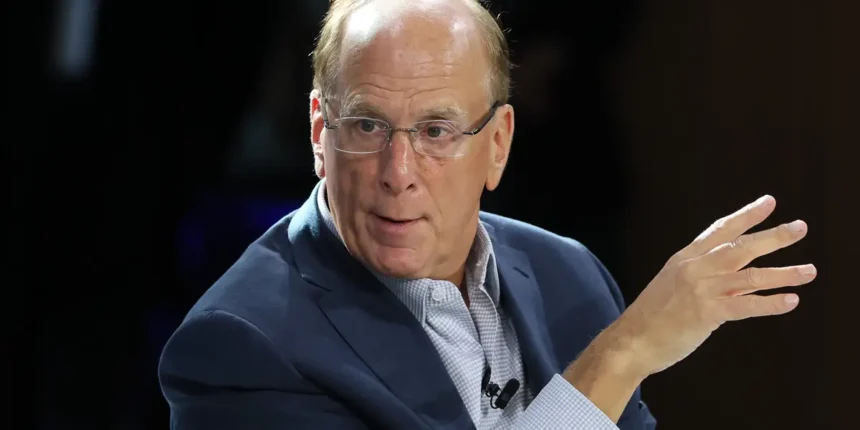
Larry Fink, CEO of BlackRock, is closely monitoring a critical threshold in the bond market: the 5% mark for the 10-year U.S. Treasury yield. Speaking with CNBC during the World Economic Forum, Fink expressed concerns that if this yield breaches the 5% to 5.5% range, it could ignite a significant stock market correction. He highlighted that the potential for inflation to drive the yield above this threshold could lead to a repricing of equities, which would pose challenges for investors.
Fink elaborated on his viewpoint, acknowledging scenarios where elevated yields could lead to “pretty bad” outcomes for the market. He suggested that a 10-year Treasury yield above 5%, or even reaching 5.5%, would likely send shockwaves through the equity market, though he noted that this more pessimistic scenario is not his primary expectation. Historically, this key level has been tested multiple times, often resulting in negative reactions in stock prices.
Recent trends in U.S. yield rates reflect rising volatility, largely attributed to factors such as inflation, tariffs, and escalating national debt concerns. Currently, the 10-year U.S. Treasury yield hovers around 4.1%, having increased significantly—by over 300 basis points—over the past five years. This escalation follows historically low rates experienced during the pandemic, marking a transition into an era characterized by elevated inflation.
Additionally, Fink pointed to a “sell America” sentiment impacting markets, driven by anxieties over diminishing Federal Reserve independence, a development that could further exacerbating inflation fears. This trend has intensified amid recent geopolitical stresses and efforts by President Trump to lower borrowing costs, raising concerns about future inflation spikes.
Fink noted the steepening of the Treasury yield curve in various future scenarios. He warned of the possibility of sustained high interest rates due to inflation, which could negatively impact the equity market and necessitate a reevaluation of stock valuations. He emphasized that the trajectory of bond movements will hinge on the delicate balance between economic growth and inflation trends. He also mentioned the surge of private capital being invested in artificial intelligence, which could stimulate growth yet potentially amplify consumer price increases.