President Donald Trump is poised to address the nation on Wednesday, aiming to highlight his intentions to make housing more affordable. However, the setting for his speech raises eyebrows: he has chosen Davos, Switzerland, a picturesque mountain town known for luxury ski chalets that start at $4.4 million. This venue coincides with the World Economic Forum, an annual gathering of elite global leaders and billionaires, many of whom have been prominent figures in his administration’s dealings over the past year.
As Trump marks the anniversary of his inauguration, his focus appears to have shifted. He initially campaigned on a platform of reducing the cost of living, presenting himself as a champion for the working class. Yet recent public appearances suggest a preference for mingling with the wealthy, overshadowing direct engagement with his working-class supporters. Critics, such as Alex Jacquez from the Groundwork Collaborative, emphasize that Trump’s priorities seem misaligned, favoring investors and billionaires at events like Davos over the families grappling with rising living costs.
Polls reflect growing discontent regarding Trump’s handling of affordability issues. Approximately 60% of American adults believe he has negatively impacted the cost of living, a sentiment shared even among some Republicans. The disapproval is stark; only 16% of respondents feel he has significantly aided in making life more affordable—a drastic decline from 49% just months earlier.
Trump’s policies have increasingly leaned towards dealing with international affairs—contingencies in Gaza, Ukraine, and Venezuela consuming a considerable amount of his attention. In a recent statement regarding Denmark’s resistance to the idea of trading Greenland, Trump hinted at an unusually ambitious agenda for Davos, suggesting a focus that diverges from the pressing concerns of domestic affordability.
Amid this backdrop of dissatisfaction, the White House has attempted to redirect Trump’s narrative toward affordability in response to electoral pressure, particularly with midterm elections on the horizon. However, Trump’s proposed solutions, such as reducing mortgage interest rates or limiting large corporations in the housing market, do not address the fundamental issues of a stagnant home construction sector and price increases that outpace wage growth.
Furthermore, Trump’s attention to billionaire investments aims to stimulate job creation, yet many of his policies appear to favor the wealthy over the average American. The wealth disparity has only widened during his administration; the top 0.1% of Americans have seen their wealth balloon to over $23 trillion, while the lower 50% have barely a fraction of that increase.
As Trump engages with affluent business leaders, he highlights their investments as indicators of economic growth, despite the criticism surrounding him. Notable proposals, such as tax breaks for certain income brackets, could benefit the wealthiest far more than average families, raising alarms about fiscal equity.
Critics within the political sphere caution that while Trump’s rapport with billionaires might seem advantageous, it risks alienating a voter base that prioritizes their day-to-day economic realities over high-profile alliances. Republican strategist Frank Luntz points out that billionaires are not viewed favorably by voters, a sentiment that could pose significant risks as Trump seeks to curry favor with ultra-wealthy individuals.
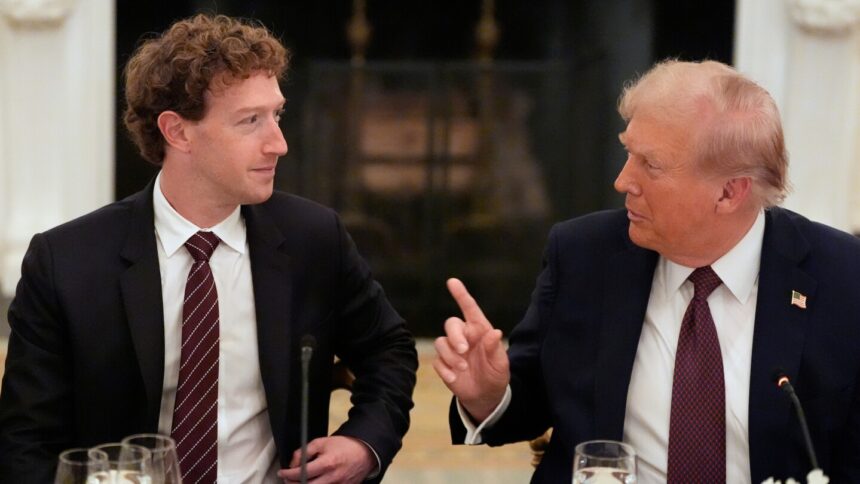
Throughout his presidency, Trump’s connection to wealth has been emphasized, with public events often showcasing interactions with billionaire figures. This has included high-profile dinners and investment announcements designed to align his image as a business-savvy leader capable of driving economic growth.
As he prepares for his Davos address, the effectiveness of his message on housing affordability remains uncertain. Voters increasingly seek tangible change and relief in their economic circumstances, and Trump’s continued focus on billionaire connections may not resonate in the manner he anticipates.