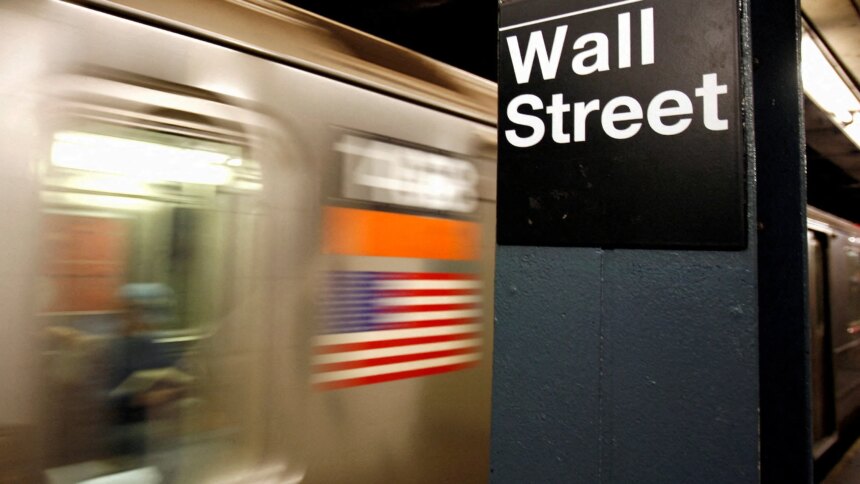
U.S. stock markets faced a significant downturn on January 20, with the S&P 500 index experiencing its steepest decline in three months. Investor anxiety surged in response to President Donald Trump’s tariff threats related to his controversial endeavor to acquire Greenland. On January 17, Trump announced he would implement an additional 10% import tariff on goods from Denmark, Norway, Sweden, France, Germany, the Netherlands, Finland, and Great Britain on February 1. This rate is set to increase to 25% on June 1, affecting nations already facing U.S. tariffs as they oppose Trump’s Greenland acquisition.
Adding to market unease, Trump also threatened to impose a staggering 200% tariff on French wines amid reports of resistance from French President Emmanuel Macron regarding his participation in a new Board of Peace designed to oversee Gaza. The S&P 500 closed down by 2.06%, equating to a loss of 143.15 points, while the tech-heavy Nasdaq fell by 2.39%, translating to a 561.065-point drop. Similarly, the Dow Jones Industrial Average ended down 176%, or 870.74 points, settling at 48,488.59.
Chris Turner, global head of markets at ING, remarked on the situation, suggesting that it may be premature to trigger alarm bells about a “Sell America” trend, especially as Washington’s Greenland pursuits draw comparisons to last year’s “Liberation Day” tariffs, which some view as a significant misstep.
In response to the turmoil, the dollar and U.S. Treasuries slipped as investors sought refuge in safer assets, driving gold prices to a record high above $4,700 per ounce. This shift reflects the inverse relationship between Treasury prices and yields; as Treasury prices declined, yields climbed sharply. The benchmark 10-year Treasury yield surged to 4.293%. Tom Essaye, founder of Sevens Report, noted that while this yield is still manageable, persistent increases could pose challenges for both markets and the overall economy.
John Higgins, chief markets economist at Capital Economics, further highlighted that heightened pressure on the U.S. government bond market might be necessary to prompt the president to reconsider his tariff strategies, similar to the previous reactions following “Liberation Day.”
Despite the day’s volatility, economists remain optimistic about the resilience of the U.S. economy. “Goldilocks” economic data released in recent weeks has contributed positively and provided a sense of stability amidst chaotic headlines. With crucial inflation data—specifically the personal consumption expenditures price index, the Federal Reserve’s preferred measure—scheduled for release on January 22, expectations indicate that inflation will cool down.
Hank Smith, director and head of investment strategy at Haverford Trust, anticipates that the upcoming data will support the notion of cooling inflation, thereby keeping the door open for potential rate cuts later in the year.