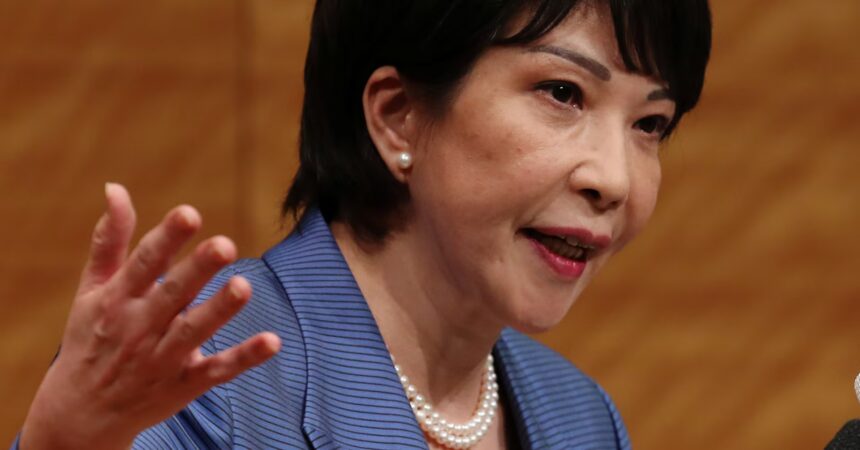
Japanese Prime Minister Sanae Takaichi has announced a commitment to counter speculative market activities following significant fluctuations in the yen, which recently spiked amid concerns of currency intervention. The situation has raised alarms among traders as the yen neared the critical 160 threshold against the dollar. A sudden uptick in the currency was noted last Friday coinciding with the New York Federal Reserve’s rate checks, leading some traders to speculate about potential joint intervention between the U.S. and Japan.
The Japanese bond market and the yen have experienced declines in recent weeks, attributed to worries that Takaichi’s expansionary fiscal policies, paired with the Bank of Japan’s slow interest rate hikes, could exacerbate inflation and lead to further debt issuance. Takaichi, during an appearance on Fuji Television, refrained from commenting on specific market movements but reassured viewers that her government would respond to any “speculative or very abnormal market moves.”
The depreciation of the yen has increasingly strained Japanese policymakers, leading to heightened import costs that impact households’ purchasing power. Takaichi has been working on a substantial spending package aimed at alleviating the effects of rising living expenses, which includes a commitment to suspend the 8% sales tax on food for two years. This proposal has, however, led to a spike in bond yields, raising concerns about the implications for Japan’s sizable public debt.
The timing of Takaichi’s plans is particularly sensitive, as she prepares for a snap election scheduled for February 8 to secure a mandate for her fiscal agenda. U.S. Treasury Secretary Scott Bessent expressed concerns about the implications of rising Japanese yields, noting the complex interplay between market reactions and internal conditions in Japan. He indicated that he had been in discussions with his Japanese counterparts and expressed confidence that they would implement measures to stabilize the market.
Takaichi emphasized that Japan has sufficient funding to support the proposed tax suspension without additional debt issuance, indicating confidence in the fiscal strategy. In the political landscape, some opposition parties have proposed utilizing the Bank of Japan’s (BOJ) exchange-traded fund holdings and foreign currency reserves to finance tax cuts, including a suggestion to expedite the sale of ETFs for quicker access to funds.
However, officials from Takaichi’s ruling coalition expressed caution regarding these proposals. One senior member of her Liberal Democratic Party (LDP) noted that utilizing reserves designated for currency intervention could necessitate selling U.S. treasuries, which might destabilize the market further. Meanwhile, a senior official from the Japan Innovation Party warned that tapping into the BOJ’s assets risks undermining the central bank’s independence and could exacerbate issues with the yen and long-term interest rates.
As the fiscal policy debate unfolds in the lead-up to the election, the focus remains on how Takaichi’s government will navigate these challenges while trying to minimize the impact on the economy and promote stability.