In 2025, a major shift occurred in the investment landscape, with gold and silver emerging as the top performers, capturing the attention of both seasoned and novice investors. Jeremy Cerza, a 45-year-old retail investor, reflects this sentiment, acknowledging his limited experience in the markets yet expressing a clear intention to capitalize on the precious metals’ rally. Cerza plans to invest approximately $20,000 into gold and silver should the S&P 500 experience a significant downturn, underscoring his mounting concerns about the US economy and the volatility within domestic markets.
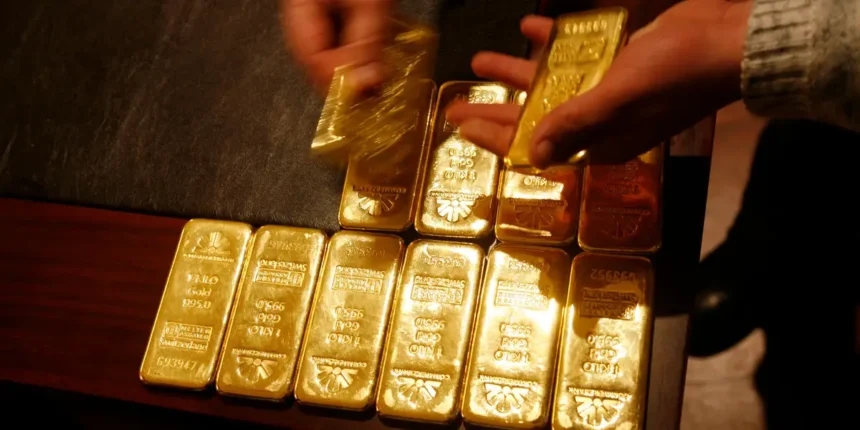
The second half of 2025 witnessed a surge in investment in precious metals as fears of inflation, tariffs, and overall economic stability fueled interest. The situation culminated in what many characterized as a “meme-like” rally driven by fear of missing out (FOMO), with investors rushing to secure their holdings in gold and silver. Such a trend was particularly notable as gold saw its greatest growth since 1979, increasing by 73% since the beginning of the year, while silver outperformed with a staggering rise of 194%.
Data from VandaTrack Research indicates a robust influx of capital toward these assets, with retail investors contributing an average of $15 million daily into gold and $7 million into silver throughout the past year. Social media platforms, especially r/WallStreetBets, buzzed with discussion surrounding these investments, positioning the SPDR Gold Shares ETF and the iShares Silver Trust ETF among the most talked-about assets on the subreddit in 2025.
Retail investor Bilaal Dhalech noted the dramatic rise of these metals as part of his strategy to hedge against inflation and rampant money printing. Participating in the rally, Dhalech has accumulated around $10,000 in physical gold and silver, in addition to an $11,000 investment in gold ETFs, which have reportedly risen by 30%. His sentiments echo a common apprehension among investors witnessing an unprecedented enthusiasm reminiscent of the camaraderie seen in the meme coin space.
Public relations professional Jesse Gaddis, who also shifted his investment portfolio to include precious metals during the pandemic, shared his experiences and motivations. With approximately $20,000 invested in physical gold and silver, along with $15,000 in ETFs, Gaddis expressed a bittersweet realization about not investing sooner when prices were significantly lower, fueling his own FOMO.
The retail fervor surrounding gold and silver reached unprecedented levels, particularly at Bullion Exchanges in New York, where the retailer experienced a doubling of its client base. CEO Eric Gozenput noted a continuous line of customers at their Diamond District location, many purchasing metals for the first time. He described the retail landscape as a “wild, wild West,” indicating that growth could have been even more significant if not for supply constraints.
Investment trends suggest a dichotomous influence among investors: some are driven by prominent advocates of gold, while others are motivated by a fear of inadequate financial security without physical metal holdings. Jeffrey Christian, a commodities expert, observed that the “Sell America” narrative significantly propelled the rally, particularly as the Federal Reserve indicated plans to lower interest rates, thereby intensifying speculative trading among new investors.
Concerns about the sustainability of this rally are mounting, with predictions of potential declines in metal prices as investor enthusiasm wanes. While some foresee a downturn—gold possibly dropping by as much as 9% and silver by 31%—others, like Dhalech, remain optimistic about the long-term prospects of these assets, albeit acknowledging the likelihood of short-term corrections.
As the precious metals market continues to attract attention and investment, many investors remain cautious, with some, like Gaddis, already taking profits by divesting a portion of their holdings. The profound interest in gold and silver illustrates not only the current economic climate but also a significant shift in investment strategies among the retail investor demographic.