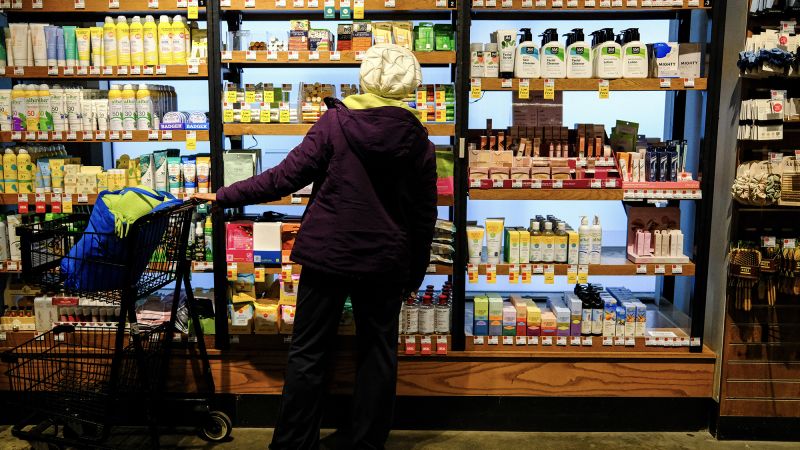
Washington — America’s economic mood took a significant downturn in January, reaching its lowest point in over a decade. The decline in consumer confidence is attributed to growing concerns over geopolitical tensions, rising costs of living, and the ongoing effects of President Donald Trump’s trade policies.
The Conference Board’s Consumer Confidence Index for January dropped sharply by 9.7 points, settling at a reading of 84.5. This marks the lowest level since 2014, surpassing declines witnessed during the trade wars and the pandemic recession in 2020. The January figure starkly contrasts with economists’ expectations, which anticipated a reading of 91.1 according to a FactSet poll.
Significant declines were observed in both the current economic conditions index and the future expectations index, reflecting widespread consumer anxiety. Dana Peterson, chief economist at The Conference Board, commented that “all five components of the Index deteriorated,” pushing overall confidence to levels not seen since May 2014. She noted that concerns about prices, inflation, oil and gas, as well as food and grocery costs, were particularly pronounced.
Additionally, the survey indicated rising mentions of tariffs and trade issues, political turbulence, and challenges in the labor market. Notably, discussions around health insurance and international conflicts also saw increases.
In recent weeks, the Trump administration has made headlines by addressing serious foreign relations issues, such as taking action against Venezuela’s former leadership, threatening significant tariffs on Canada and European nations, and exploring controversial real estate ventures like the potential purchase of Greenland. Tensions have compounded pressure on the Federal Reserve, complicating its political independence.
American consumers are grappling with heightened living costs amid a sluggish pace of job growth. There is particular concern from those insured through the Affordable Care Act as premiums have spiked. Heather Long, chief economist at Navy Federal Credit Union, highlighted the frustration many face with soaring prices for essentials like groceries and utilities. The mounting challenges contribute to a “K-shaped economy”—a scenario where the wealthiest Americans thrive, while many in the middle class struggle to keep up.
Historically, periods of diminished consumer confidence do not always correlate with drops in spending. This pattern may persist, especially as tax filers anticipate larger refunds this year. The financial environment for consumers was notably resilient during the previous summers, despite record-high inflation and economic forecasts that painted a grim picture under Trump’s tariffs.
Ben Ayers, a senior economist at Nationwide, echoed the cautious outlook for future economic activity, suggesting that the latest drop in confidence signals potential weaknesses in the first quarter of 2026. However, he forecast that increased tax refunds and fiscal stimulus could buoy spending for households navigating a tightening job market and rising expenses.
As the tax-filing season commences, the Treasury Department projects that average tax refunds will rise by approximately $1,000 per household this year. Despite this, economic experts warn that sluggish job growth will likely remain a theme throughout the year, particularly impacting recent graduates and those affected by layoffs.
The Conference Board survey revealed that over 55% of respondents felt it challenging to find employment, the highest percentage since the pandemic began. Many respondents expressed bleak outlooks regarding the labor market’s trajectory.
Jeffrey Roach, chief economist at LPL Financial, concurred with the prevailing caution, predicting an uptick in the unemployment rate. He suggested that the domestic unemployment rate could approach 4.6% in the second quarter, with potential challenges looming later in the year. This trend could further dampen retail sales in the coming months, raising concerns about the overall health of the economy.