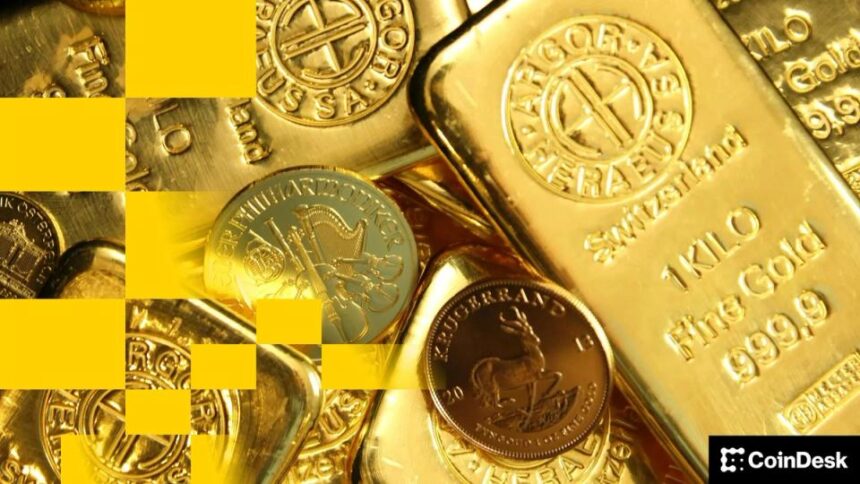
Gold has recently experienced a remarkable surge, breaking the $5,500 per ounce mark late Wednesday, resulting in a notional value increase of approximately $1.6 trillion in a single day—a figure comparable to the entire market capitalization of Bitcoin. While this bold comparison is caveated by the fact that gold’s “market cap” is an estimate based on above-ground supply rather than a float-adjusted metric, it nevertheless reflects the current mindset of investors.
This rising sentiment appears to signal a shift in the market, often referred to as a debasement trade, where capital is flowing towards traditional hedges like gold. As a result, indicators focused on gold are now showing signs of “extreme greed,” while sentiment readings in the cryptocurrency sector, particularly Bitcoin, remain in a much less favorable territory. The JM Bullion’s Gold Fear & Greed Index, which gauges market sentiment based on multiple factors including gold premiums, price volatility, and social media sentiment, supports this observation. The index uses a 0–100 scale where lower readings indicate fear and capitulation, while higher readings point to rampant bullishness.
The ongoing bullish narrative surrounding gold is further reinforced by silver, which has demonstrated sharp weekly gains and significant intraday price fluctuations. These movements suggest that investors are actively positioning themselves, indicating a more urgent market atmosphere rather than a simple accumulation phase.
In contrast, Bitcoin continues to operate as a high-beta asset, requiring favorable liquidity conditions and clear catalysts for upward movement. Currently trading in the high-$80,000s—far below its peak from October—Bitcoin struggles to gain traction even as traditional metals are on the rise. This situation complicates the macroeconomic argument that Bitcoin is a digital equivalent to gold, especially during times of uncertainty surrounding currencies and fiscal policies.
Despite this recent disconnect, it does not spell the end for Bitcoin’s narrative as a “store of value.” Historically, the cryptocurrency has performed well over longer time frames and remains capable of rapid price movements when market dynamics shift. However, recent weeks serve as a crucial reminder that the notion of a store of value heavily depends on the profile of the marginal buyer—right now, individuals seeking a safe haven are leaning more towards physical assets like gold and silver rather than digital currencies. This behavior compels Bitcoin to justify its role in the financial ecosystem once again.