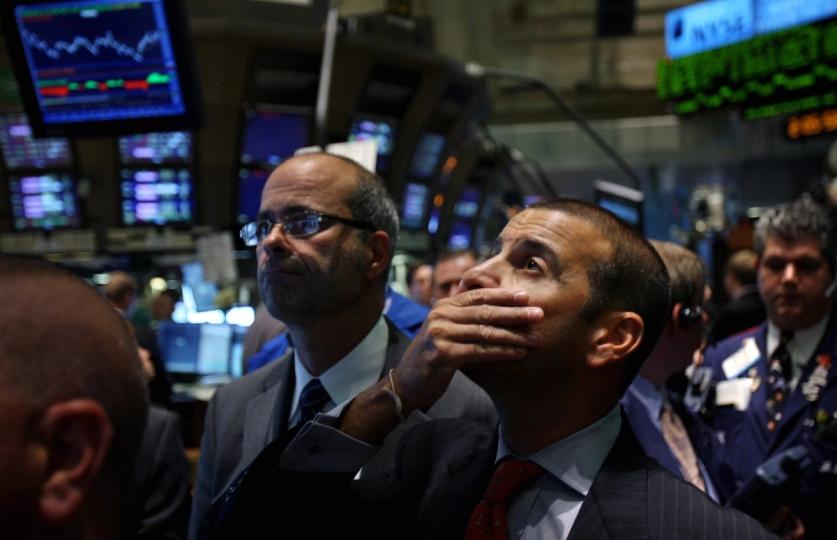
Bitcoin experienced a significant downturn over the weekend, falling below the $80,000 mark for the first time, trading at approximately $78,740. This decline of more than 4.7% over a 24-hour period marks the continuation of a trend that has left traders adopting a defensive stance in response to various geopolitical and economic concerns.
The downturn coincided with reports of an explosion at Iran’s Bandar Abbas port, a crucial shipping point on the Strait of Hormuz, which manages about 20% of the world’s oil shipments. This incident has reportedly heightened tensions in an already volatile region, prompting reactions from notable political figures. Former President Donald Trump, in a recent post on Truth Social, claimed that the Islamic Revolutionary Guard Corps (IRGC) is in “full panic mode,” sharing a video depicting chaos in Tehran’s streets. Such statements have contributed to a deteriorating risk sentiment, driving investors toward safer assets.
Experts have noted that this market turbulence is not isolated to Bitcoin but reflects a broader sell-off. Russell Thompson, Chief Investment Officer at Hilbert Group, indicated that geopolitical tensions and Trump’s comments are intensifying market volatility. Bitcoin, typically characterized by its high sensitivity to market shifts, is especially vulnerable in this climate.
Further complicating the situation, Chris Soriano, co-founder and Chief Commercial Officer of BridgePort, attributed the rapid decline to what he described as “Phantom Liquidity” coupled with forced deleveraging. He explained that although the market appears healthy at first glance—with tight spreads—there is a critical lack of depth in the order books. This shallow liquidity means that large waves of forced selling can quickly drain bids, leading to abrupt price drops rather than gradual declines.
Adding to the market’s unease is the political uncertainty in the United States. A federal government shutdown commenced over the weekend after Congress failed to pass a funding bill, exacerbating concerns about macroeconomic stability. While this shutdown is expected to be brief, it contributes to an environment of caution among traders.
Despite these challenges, there are potential support levels for Bitcoin to monitor. The price point of $75,000 has previously acted as a floor, halting sell-offs in the past. Should the decline continue, the 200-week moving average, currently around $58,000, may serve as the next support level. For the moment, Bitcoin remains within a range-bound trajectory, with traders closely observing whether the current sell-off will attract new buyers or lead to further declines in value.