In a heated exchange on X, OpenAI’s CEO Sam Altman and CMO Kate Rouch expressed their frustration following the release of four commercials by competitor Anthropic. The advertisements, part of a campaign titled “A Time and a Place,” aim to poke fun at the concept of integrating ads into AI chatbot conversations. This release comes shortly after OpenAI announced its own intention to start testing ads in a lower-cost tier of its ChatGPT service.
Altman characterized Anthropic’s advertisements as “clearly dishonest,” claiming they misrepresent the nature of AI technology. He accused the company of adopting an “authoritarian” business strategy that caters exclusively to wealthier clients. Rouch echoed this sentiment, suggesting that the true betrayal lies in exerting control over users, rather than merely introducing ads.
The Anthropic commercials deliver a biting critique of AI chatbots that hijack user queries for advertising purposes. Each ad starts with a provocative term—“Betrayal,” “Violation,” “Deception,” and “Treachery”—and illustrates scenarios where individuals seeking advice from a chatbot are abruptly redirected to unrelated promotional content. In one example, a user seeking guidance on better communication with his mother is instead targeted with an advertisement for a fictional dating service. Another spot features a man looking for fitness tips, who ends up being sold height-boosting insoles.
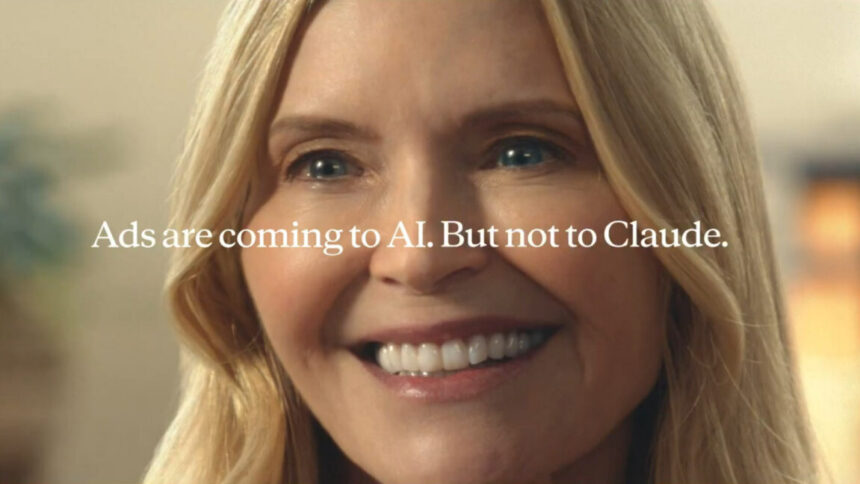
Anthropic plans to showcase a 30-second version of these commercials during the Super Bowl, alongside a longer cut airing in the pregame segment. Each ad concludes with the tagline: “Ads are coming to AI. But not to Claude,” referring to Anthropic’s chatbot.
In their responses, Altman and Rouch took issue with the perceived unfairness of the campaign, arguing that OpenAI’s planned advertisement model involves distinctly labeled ads that won’t influence the chatbot’s responses. However, an accompanying blog post from OpenAI reveals a nuance: the company intends to test ads that are contextually relevant to ongoing conversations, hinting at a more tailored advertising approach.
The backdrop of financial pressures contributes to the heightened competition between these AI entities. OpenAI has secured over $1.4 trillion in infrastructure deals and expects to incur significant expenditures while generating revenue. With a reported 800 million weekly users, only a fraction currently subscribe to its paid offerings. Conversely, Anthropic has yet to achieve profitability but relies on enterprise contracts and paid subscriptions, steering clear of aggressive advertising strategies, unlike its rival.
As both companies navigate this complex landscape, the exchange underscores the broader implications of advertising within AI applications, raising questions about user experience, profit motives, and the ethical considerations of such technologies.