The U.S. stock market experienced a significant rebound, fueled largely by a recovery in technology stocks and a stabilization in bitcoin prices. On Friday, the S&P 500 surged by 2%, marking its best daily performance since May, while the Dow Jones Industrial Average soared approximately 1,200 points, surpassing the 50,000 milestone for the first time. The Nasdaq composite climbed 2.2%, bolstered by strong performances from chip manufacturers amid expectations of increased spending in artificial intelligence (AI) technology.
In a notable development, Amazon announced plans to invest around $200 billion this year into sectors like AI, robotics, and low earth orbit satellites. This news invigorated the tech sector, but it also raised concerns among investors about the sustainability of such large expenditures and the potential for these investments to yield significant profits in the future. As a result, Amazon’s stock dipped by 7%.
While Friday’s gains provided some relief, the S&P 500 is still on track for its third losing week out of the last four. The week has been marred by skepticism regarding massive AI investments by major tech firms, as well as fears that AI advancements might detract market share from traditional software companies. The release of free automation tools by AI firm Anthropic further intensified these concerns.
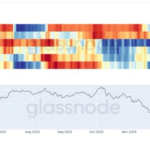
In the world of cryptocurrencies, bitcoin managed to stabilize after a prolonged decline that had seen its value plummet to more than 50% below its all-time high set in October. On Friday, bitcoin rallied back above $70,000, recovering from a dip close to $60,000 earlier in the week.
The metals market also showed signs of stabilization after significant fluctuations. Gold increased by 1.8%, closing at $4,979.80 per ounce, while silver edged up by 0.2%. The previous week had seen both metals experience dizzying rally as investors sought safe havens amid political uncertainties and concerns over a seemingly overpriced U.S. stock market. The rapid price increases for gold and silver had drawn criticism as unsustainable.
On Wall Street, the recovery of bitcoin positively impacted companies linked to the cryptocurrency sector. Stocks of Robinhood Markets surged 13.6%, while Coinbase Global and Strategy also posted substantial gains, rising 11.4% and 24.5%, respectively. Small-cap stocks contributed to the market rally as well, reflecting investor optimism about consumer spending. Data from the University of Michigan indicated a slight improvement in consumer sentiment, defying economists’ expectations for a decline, particularly among households holding stocks, which saw a benefit from the S&P 500’s recent record-setting performance.
Airline stocks experienced a boost on hopes that improved consumer confidence would result in increased spending on travel. United Airlines, Delta Air Lines, and American Airlines reported gains of 9.2%, 7.6%, and 7.5%, respectively. The Russell 2000 index, which tracks smaller U.S. companies, jumped 3.4%, outpacing the S&P 500, as these firms often rely heavily on domestic economic strength.
In international markets, European stock indexes generally rose despite a significant 25.2% drop in shares of auto giant Stellantis, which revealed plans to scale back its electric vehicle production due to overestimating the pace of the energy transition. Meanwhile, stocks across much of Asia faced downturns, although Japan’s Nikkei 225 index rose by 0.8%, bolstered by a 2% increase in shares of Toyota Motor as leadership changes were announced.
In the bond market, Treasury yields remained stable, with the 10-year Treasury yield holding at 4.21% after recovering from a previous decline.