El Salvador’s President Nayib Bukele remains a highly popular figure, boasting a remarkable 91.9% approval rating, according to a recent survey conducted by the Salvadoran newspaper La Prensa Gráfica. This support is attributed primarily to improvements in public safety and a significant drop in crime rates throughout the country. The poll, which involved 1,200 respondents, revealed that 62.8% of participants expressed strong approval of Bukele’s performance, while only a mere 1.8% voiced strong disapproval.
Bukele’s administration has focused heavily on combating gang violence since he took office in 2019, leading to the establishment of the Terrorism Confinement Center (CECOT), a large facility designed to detain suspected gang members. The results of this crackdown have been evident, as homicide rates have plummeted compared to previous years, garnering support from various segments of the population who regard this as one of the government’s most significant achievements.
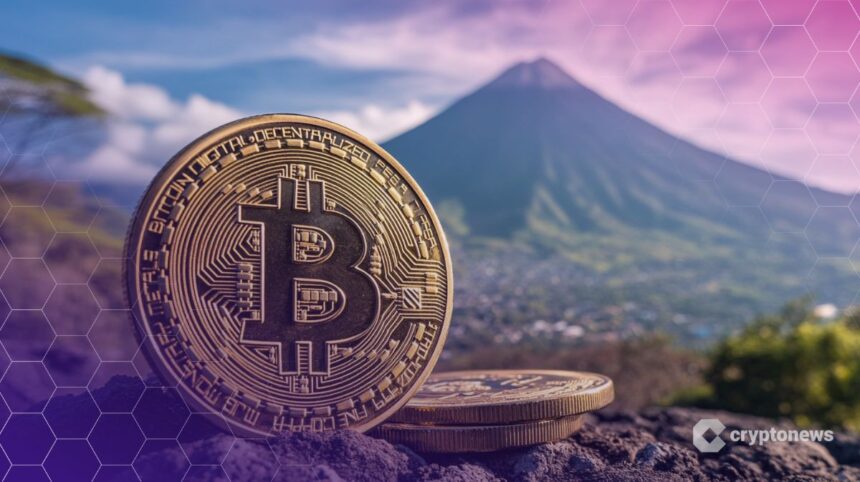
In stark contrast to Bukele’s robust approval ratings, the country’s Bitcoin policy has not garnered similar enthusiasm among the populace. Despite making headlines in 2021 as the first nation to adopt Bitcoin as legal tender, everyday usage of the cryptocurrency remains minimal. The survey indicated that only 2.2% of respondents regarded Bitcoin as the most significant failure of Bukele’s presidency, with the topic receiving scant attention in the poll results. Bukele himself acknowledged this discrepancy in a 2024 interview, admitting that the adoption rates did not meet the initial expectations set by authorities.
International criticism has also targeted Bukele’s Bitcoin initiative. The International Monetary Fund (IMF) has repeatedly cautioned about fiscal and financial stability concerns arising from the country’s unique approach to digital currency. However, rather than distancing itself from Bitcoin, El Salvador has continued to accumulate it. Since 2022, the government has reportedly maintained a strategy of purchasing one Bitcoin daily, a commitment that Bukele has openly vowed to uphold. Recent online trackers associated with the government’s Bitcoin office indicate that national reserves continue to grow.
In light of ongoing discussions with the IMF, El Salvador has recently reached a financing agreement that involves scaling back certain crypto-related initiatives. As part of these deliberations, government officials are negotiating the potential selling or shutdown of the government-operated Chivo wallet, which has attracted criticism over issues such as fraud and technical difficulties since its inception. Early indications suggested that the app might be phased out while allowing private crypto wallets to remain in use throughout the country.
Despite potential setbacks tied to Bitcoin adoption, the IMF reports that El Salvador’s economy has outperformed expectations, projecting real GDP growth of approximately 4% for the upcoming year. This economic optimism could be pivotal as the government navigates the complexities of its cryptocurrency policies while also striving to maintain public safety and economic stability.