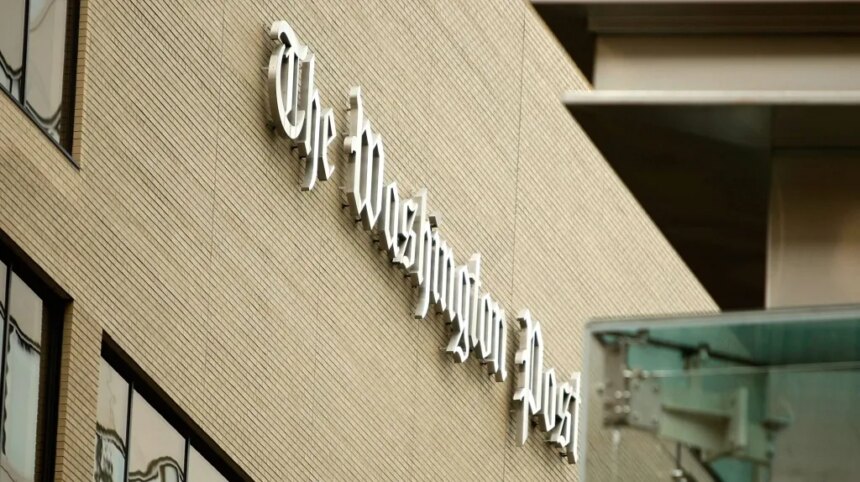
The recent restructuring at The Washington Post has led to significant layoffs, impacting approximately one-third of its workforce, including many international reporters stationed in conflict zones. The cuts, which have raised serious concerns regarding the safety and logistics of affected journalists, were part of a broader initiative announced by the company, which is owned by Jeff Bezos.
In response to the layoffs, Michelle Ye Hee Lee, the Tokyo/Seoul bureau chief, initiated a GoFundMe campaign aimed at assisting numerous international employees vital to the newspaper’s global news coverage. The crowdfunding effort is designed to provide financial support for those grappling with the immediate challenges of returning home, which are heightened by the precarious situations in which they currently find themselves.
The campaign highlights that many of these employees do not have the same protections as those covered by the Washington Post Guild. “These workers are not eligible for protection… and, in many instances, are being laid off with less favorable terms while also facing immense logistical challenges and serious security risks,” the GoFundMe page states. Proceeds will help cover essential needs like rent, legal support, relocation, and storage for belongings left behind.
Reports from journalists affected by the layoffs paint a stark picture. Lizzie Johnson, a correspondent in Ukraine, expressed her devastation after being laid off while in a war zone, posting on social media her shock and emotional turmoil. Investigative reporter Shibani Mahtani, who had spent eight years covering critical stories in Hong Kong and China, similarly conveyed her sorrow at losing her position amidst a restructuring process.
Claire Parker, the Cairo bureau chief, echoed these sentiments and emphasized the precarious position of her colleagues, stating she is fortunate to be under a U.S. union contract whereas many others do not have the same protections. She amplified the GoFundMe initiative, urging support for those international journalists facing uncertainty.
Simultaneously, the Washington Post Guild has voiced concerns over the layoffs, asserting that such cuts will ultimately harm the paper’s credibility and future. They have themselves launched a GoFundMe page dedicated to supporting laid-off employees.
The restructuring has not only resulted in job losses but also the cessation of the Post Reports podcast, revealing a significant shift in the publication’s operational strategy as it navigates through challenging economic conditions. The ramifications of these layoffs extend beyond individual experiences; they pose questions about the future of the newsroom and its capacity to report effectively on global issues.