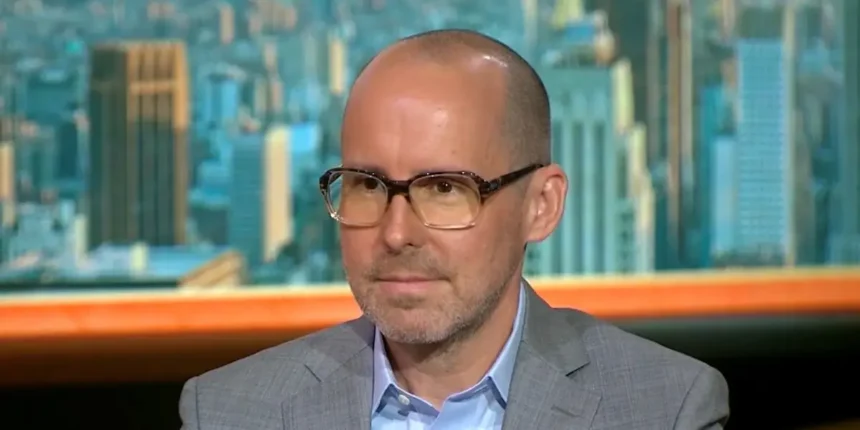
Investors are being warned of an impending stock market surge followed by a significant collapse, according to Mark Spitznagel, founder and chief investor of Universa Investments, a firm known for its “tail-risk hedging” strategies. In a recent communication with Business Insider, Spitznagel articulated his long-standing belief that a dramatic rise in equity prices—referred to as a “blow-off”—has been unfolding for over three years and is likely to peak in the coming months. He predicts that this surge could ultimately lead to the worst market crash since the Great Depression of 1929.
Spitznagel has maintained a bullish outlook on the market since 2022, observing that the current momentum in stock prices has been fueled by a surge of interest in artificial intelligence (AI), anticipated interest-rate cuts, and unprecedented levels of government spending. Despite his optimism regarding certain trends—especially the potential of AI—he expressed caution, highlighting that market hype can often exceed the fundamental value of underlying assets.
In a letter addressed to Universa investors earlier this year, Spitznagel reiterated his belief in gold as a valuable asset for the long term, while cautioning that its price, much like other risk assets, is likely to fall sharply when the market downturn begins. He mentioned that while gold may currently benefit from investor enthusiasm, it is also vulnerable during significant market corrections.
The market conditions Spitznagel describes include what he terms a “Goldilocks zone,” characterized by falling inflation and interest rates, a decelerating economy, and euphoria among investors. This optimistic sentiment is expected to be short-lived, culminating in a final market surge before the inevitable downturn—an event he frames as “Papa Bear” arriving to do away with what he describes as the “greatest bubble in human history.”
Others in the financial community echo Spitznagel’s sentiments regarding an overheated market, including Michael Burry, famous for his role in “The Big Short,” and Jeremy Grantham of GMO, both of whom have been sounding alarms over inflated asset prices for years. Conversely, some investors, such as Ross Gerber and Kevin O’Leary, express confidence in the market’s resilience, attributing ongoing growth and productivity enhancements to advancements in AI.
As the economic landscape continues to evolve, all eyes remain on the potential for a stock market upheaval that could have far-reaching implications for investors and the broader economy. The volatility anticipated by Spitznagel serves as a reminder of the unpredictable nature of financial markets and the importance of risk management in investment strategies.