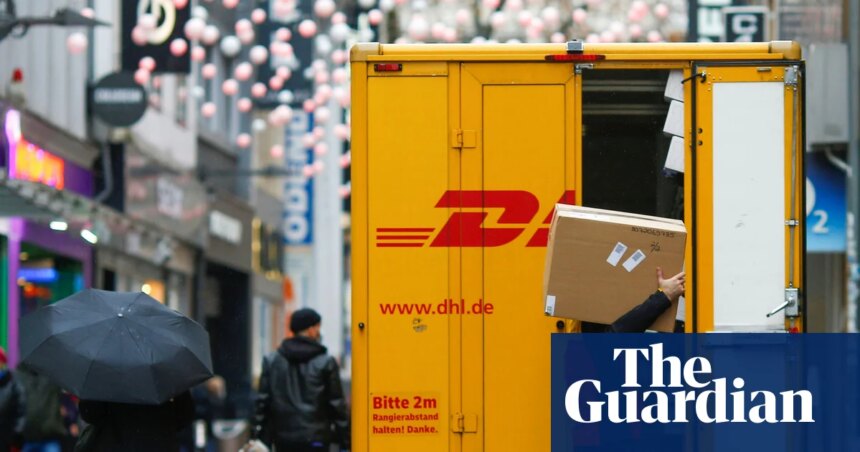
Shares in trucking and logistics companies have experienced a significant downturn as investor anxiety over the impact of emerging artificial intelligence tools spreads through the sector. The recent launch of a new platform by Algorhythm, which has transitioned from a producer of in-car karaoke systems to an AI-focused enterprise, triggered a swift market reaction on Thursday that has alarmed stakeholders within the logistics industry.
Algorhythm’s SemiCab platform promised to enhance freight volumes by an impressive 300% to 400% without the necessity for increased workforce, directly igniting a 30% rise in the company’s stock price. However, this positive development for Algorhythm coincided with a dramatic sell-off in the Russell 3000 Trucking Index, a benchmark for U.S. trucking shares, which plummeted by 6.6%. High-profile companies such as CH Robinson Worldwide, Landstar System, RXO, JB Hunt Transportation Services, and XPO each suffered losses ranging from 5% to nearly 24%, marking one of the most severe declines seen since the onset of the tariff trade war under the Trump administration.
Portfolio manager Joseph Shaposhnik characterized the market sentiment as being at a “category 5” level of paranoia, indicating an unprecedented degree of fear among investors. Gary Atkinson, CEO of Algorhythm, expressed astonishment at the widespread reaction to what was initially a limited product launch, emphasizing the unexpected impact of a small company on a vast industry.
The ripple effects of this fear extended beyond the trucking sector, negatively impacting stocks in drug distribution as well, with companies like McKesson Corp and Cardinal Health seeing declines of approximately 4%. The negative sentiment was not localized to the U.S.; European logistics firms also faced downturns, with DHL Group, DSV A/S, and Kuehne+Nagel International AG dropping between 4.9% and 13% during late trading hours.
Analysts indicated that the rise of open-source automation agents, such as Molt Bot, could be a new threat that enables smaller logistics operators to fully automate routine back-office tasks, amplifying the anxiety among larger incumbents. This trend underscores a growing recognition that automation could disrupt traditional business models widely used across sectors.
Meanwhile, the situation in the U.K. offered a contrasting perspective, as shares in RELX (previously known as Reed Elsevier) experienced a 5% uptick, recovering some losses from earlier declines attributed to rival AI developments. Investor strategist Neil Wilson noted that the pervasive AI-induced fear trade has engulfed multiple industries and sectors, suggesting that only those businesses less vulnerable to technological disruption—like materials, energy, and consumer staples—remain relatively insulated from this wave of anxiety.
The broader implications of these developments continue to unfold as stakeholders and analysts closely monitor investor sentiment and market movements in the wake of rapidly advancing artificial intelligence technologies.