The landscape of the stock market is experiencing a significant upheaval as artificial intelligence (AI) continues to raise alarm bells across various sectors. Recently, media stocks have fallen victim to growing concerns over how AI-generated content may disrupt traditional entertainment platforms. Investors are increasingly scrutinizing the risks associated with AI’s encroachment into the realms of streaming services, television shows, and films.
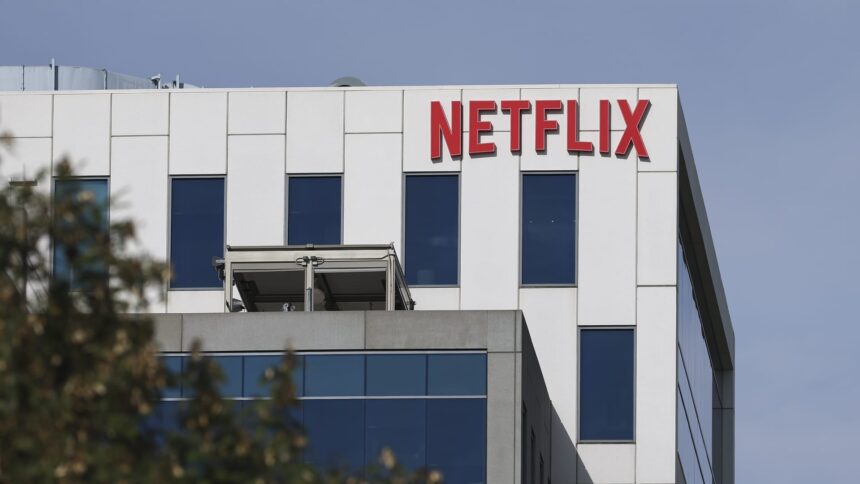
According to JPMorgan traders, the market is currently being shaped by both the positive and negative impacts of AI, with one sector after another facing the threat of becoming obsolete. The media sector experienced a sharp decline on Thursday, with major companies like Walt Disney dropping by 5%, and Fox plunging nearly 8%. Streaming giants Spotify and Netflix also took substantial hits, shedding approximately 8% and 5%, respectively. Year-to-date, these stocks have seen notable downturns; Spotify and Fox are down 23%, while Netflix and Disney have lost 19% and 10%, respectively.
Wells Fargo analysts attribute these declining valuations to the risks posed by emerging AI-assisted media platforms. Analyst Steven Cahall pointed out that investors are grappling with the rapid emergence of AI video platforms that could challenge traditional media’s grip on audiences. Cahall highlighted that user-generated content on platforms like YouTube represents a significant portion of television viewing time, accounting for about 13% to 14% of total consumption.
The rising quality of user-generated content — potentially enhanced by AI tools — could bolster its appeal and further threaten established media entities. However, the narrative does not solely revolve around traditional media facing extinction. Spotify’s co-CEO Gustav Söderström emphasized that their company is working on developing a unique dataset that offers a qualitative edge, making it less susceptible to AI disruption.
Despite the fears surrounding amateur-generated content, Wells Fargo’s analysis suggests that such content often lacks the compelling storytelling elements found in more polished, traditional media. Cahall remarked on the complexity of the situation, noting that emerging AI platforms do not necessarily enhance storytelling, which remains a critical component of engaging content.
In summary, while fears related to AI’s impact on traditional media are valid, the market’s dramatic reactions may overlook important nuances in how content is created and consumed. The interplay between traditional media and the rise of AI-generated alternatives continues to shape the future of the entertainment industry, leaving investors and analysts navigating uncharted waters.