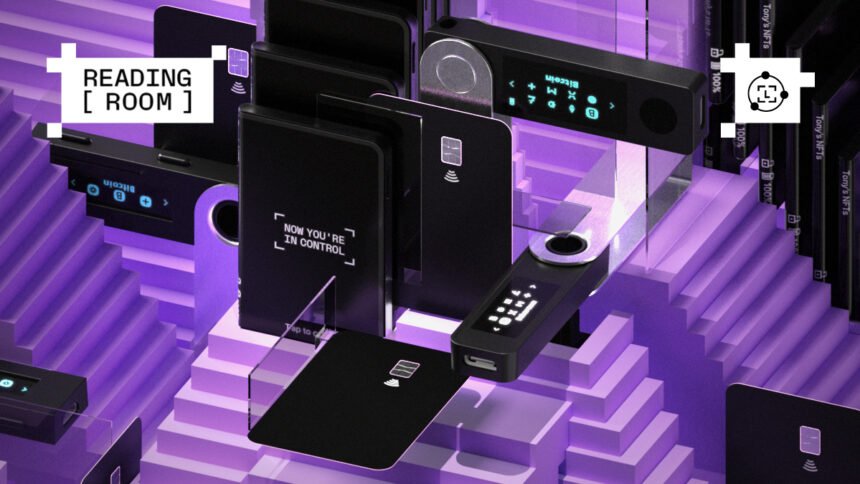
In the evolving landscape of cryptocurrency security, the choices of hardware wallets have become critical, influencing how users manage their digital assets. A comprehensive examination of two prominent alternatives in the market, Ledger and Tangem, reveals significant differences in design philosophy and security architecture that may inform consumer choices.
At the forefront of these differences is how each device enables the verification of transactions. Ledger wallets incorporate a secure screen that allows users to see exactly what they are signing, ensuring that every transaction is authenticated in a verifiable manner. This inherent feature creates a robust defense against two critical vulnerabilities in the cryptocurrency space: blind signing and compromised interfaces. In contrast, Tangem, with its card-based design that lacks a display, requires users to trust their smartphone’s screen for transaction verification—introducing a layer of risk due to the potential for malware or other forms of tampering.
Ledger’s approach is underpinned by a security model consistent with its ethos of full digital ownership. Each security-critical action within Ledger occurs in a tamper-proof Secure Element, isolating the sensitive data from external devices, including smartphones and computers. The architecture has historically proven to be secure, with no Ledger devices reportedly hacked to date. Users can independently verify transaction details using intuitive interfaces designed specifically for their devices.
On the other hand, Tangem’s architecture raises concerns that can potentially undermine users’ confidence in their funds’ safety. By needing to pass information through a smartphone for transaction authorization, Tangem wallets could expose users to attacks that intercept or manipulate transaction data before signing. This reliance on a secondary device creates an opportunity for malicious actors to exploit weaknesses in the interface.
The comparison extends beyond transaction verification to how each platform handles critical features like firmware updates and recovery options. Ledger’s firmware can be updated to address vulnerabilities, ensuring that users are always protected against emerging threats. This is in stark contrast to Tangem, which operates on a fixed firmware model, meaning clients only have the option to buy new cards if vulnerabilities arise. This lack of updateability could create a significant risk for existing users, as any undetected vulnerabilities remain in circulation without a clear path for remediation.
Each platform’s recovery processes also detail significant differences. Ledger utilizes the widely accepted BIP-39 standard for seed phrases, allowing users to recover their funds on any compatible wallet, ensuring ownership remains with the user regardless of hardware issues. Conversely, Tangem defaults to a multi-card system with identical keys but imposes restrictions on the use of seed phrases, which can complicate recovery options.
As consumers choose a crypto wallet, these comparisons illuminate the broader choice between convenience and security. While Tangem offers a sleek, easily portable card format ideal for users prioritizing simplicity, Ledger’s robust security model stands as a testament to prioritizing user sovereignty and comprehensive asset protection. Given the increasing sophistication of cyber threats and the high stakes associated with crypto ownership, the choice between these two options may ultimately reflect deeper values around trust, verification, and long-term asset security in an inherently volatile digital landscape.
In conclusion, informed choices in hardware wallets go beyond surface-level features and delve into the underlying security structures, influencing user interactions within the broader cryptocurrency ecosystem. As the market continues to develop, understanding these nuances will be fundamental for anyone managing digital assets.