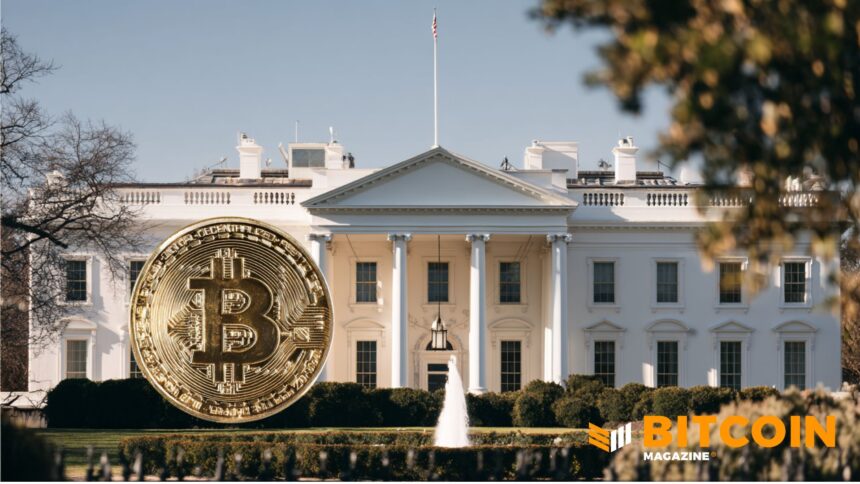
In a recent Yahoo Finance interview, Patrick Witt, the Executive Director of the President’s Council of Advisors for Digital Assets, provided insights into the current efforts surrounding crypto legislation and the federal government’s approach to managing Bitcoin. He underscored the necessity for clear regulatory guidelines and active involvement from institutions in the cryptocurrency space.
Witt noted that the House had previously passed its version of the Clarity Act, with the Senate currently in the process of drafting amendments. Some sections concerning the Commodity Futures Trading Commission (CFTC) have successfully advanced through the Agriculture Committee; however, discussions regarding the Securities and Exchange Commission (SEC) continue to stall in the Senate Banking Committee. An anticipated markup session that was set for January has been postponed, leading to ongoing discussions aimed at addressing unresolved issues. Witt emphasized the importance of compromise on various concerns, particularly stablecoin yields and potential deposit flight. He expressed the administration’s commitment to engaging multiple stakeholders, stating, “We’re going to continue to stay at the table and encourage them to find a compromise on this issue.”
Witt highlighted that clarity in regulation is pivotal for tapping into the vast amounts of institutional capital—amounting to trillions of dollars—that currently sits on the sidelines, awaiting entry into the cryptocurrency market. Drawing attention to the government’s Bitcoin holdings, he discussed actions taken following an executive order that halted the indiscriminate liquidation of digital assets, which could have resulted in significant financial losses. Efforts to centralize oversight of these assets and ensure proper accounting practices are underway, along with initiatives to potentially increase government holdings of Bitcoin in a budget-neutral manner.
He referenced existing legislative efforts from Senator Cynthia Lummis and an upcoming bill from Representative Begich designed to formalize authority over government-held digital assets. Witt indicated that should Congress decide, it might be possible to build upon the current stockpile of digital assets through direct purchases, contingent on appropriation approvals.
The broader implications of U.S. leadership in digital finance formed a significant part of Witt’s discussion. He advocated for centralized asset management as a means to protect public resources and to strategically engage in Bitcoin markets. He reiterated the immense opportunity for major banks, such as JPMorgan, to participate in crypto activities with clear regulations in place.
As the discussions within committees and the Senate floor continue to evolve, Witt expressed urgency in moving forward with crypto legislation and oversight of government Bitcoin holdings. He framed these initiatives as essential steps to solidifying the United States’ influence in the rapidly evolving cryptocurrency landscape.