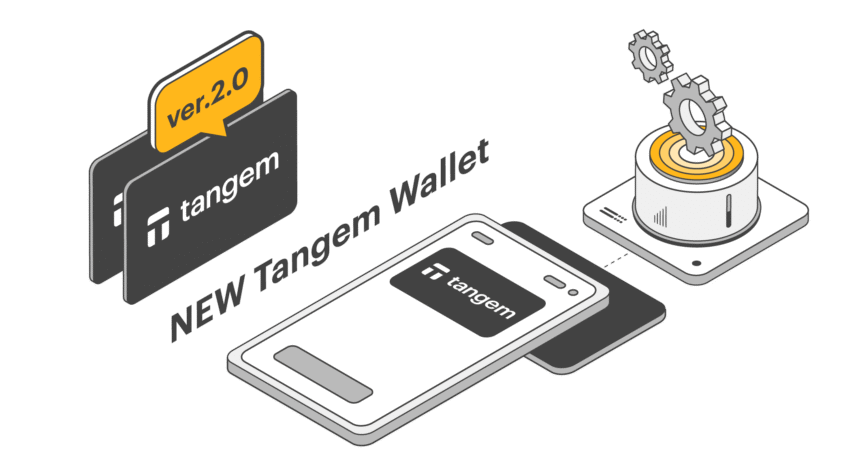
A growing trend in cryptocurrency storage has taken the spotlight, with innovative card-based solutions emerging as a significant alternative to traditional hardware wallets. These card wallets provide a simple, tactile interface that many users find reassuring, especially in a digital landscape riddled with complex passwords and security threats.
The appeal of these cards lies in their user-friendly nature. Users can conveniently store them in a wallet or safe deposit box and interact with them using their phones, creating a seamless experience. However, while the ease of use is attractive, it is essential to understand the underlying security measures. Many card wallets incorporate secure elements—hardened chips typically used in banking and passports—to isolate private keys and minimize vulnerabilities. This design drastically reduces the risks associated with clipboard leaks and malware interception.
Despite the advancements in security, the risk of physical loss remains a concern. A misplaced card can lead to significant challenges, necessitating a robust backup strategy. Users are advised to treat their wallets similarly to cash, making multiple backups and storing them in different locations to mitigate the risk of loss or theft.
Card wallets are particularly effective for daily use and low-to-medium value transfers. For more complex transactions, such as those involving multisig setups or niche blockchain interactions, traditional hardware wallets or desktop solutions may still be required. Adopting a hybrid approach that combines both methods can offer a balanced solution for various user scenarios.
It’s essential to remain vigilant about storage hygiene. The convenience of tap-to-sign features encourages frequent use, but with increased usage comes an imperative to maintain good storage practices. Users should be wary of auto-approval settings and read all app permissions and prompts carefully. Ensuring that backups and recovery processes are straightforward and tested is critical, as the difference between theoretical knowledge and practical execution can be significant during a crisis.
Furthermore, interoperability is crucial in this realm. Cards that adhere to open standards allow for easier integration into a broader framework, while proprietary systems may limit users’ options for recovery in case of vendor support issues. Users should thoroughly research vendors, exploring available coins and integrations, before committing to a particular solution.
For those who find traditional seed phrases cumbersome or off-putting, card wallets offer an emotionally preferable alternative. They eliminate the need for memorizing lengthy strings or dealing with paper backups that can deteriorate over time. The emphasis on accessibility in secure storage is vital; the safer option should also be the more convenient one.
Nonetheless, traditional cold storage methods still hold value, particularly for users with substantial holdings or specific security needs. Implementing a combination of card-based wallets and other cold-storage techniques can provide the best defense against potential threats.
In summary, while card wallets present a revolutionary approach to cold storage, users must navigate the trade-offs between convenience and security. The emphasis on rigorous backup strategies, user education, and proactive recovery testing is crucial in ensuring these tools serve their intended purpose effectively. As the landscape of cryptocurrency continues to evolve, staying informed and adaptable will remain key.