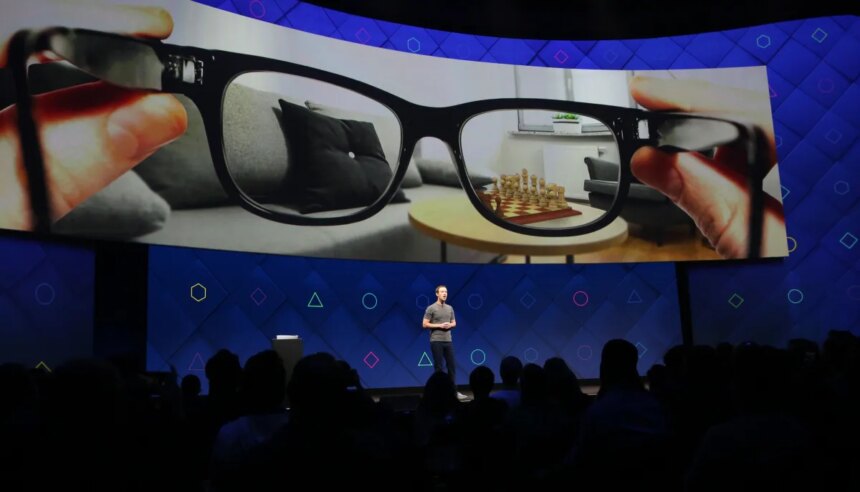
Meta is reportedly set to roll out a controversial facial recognition feature for its smart glasses, potentially launching as soon as this year. This move comes after the company decided to pivot away from its unsuccessful VR headset division and invest in AI-powered smart glasses, which are purportedly already seeing early success.
Internally dubbed “Name Tag,” this feature would allow smart glasses users to instantly identify individuals in real-world settings by accessing their information through Meta’s AI assistant. However, the company’s plans have raised significant concerns regarding safety and privacy risks associated with such technology.
Internal discussions revealed that since early 2025, Meta executives have been wrestling with the implications of the feature, recognizing the potential backlash from privacy advocates and the general public. Documents reviewed by the New York Times indicate that Meta considered promoting Name Tag as an accessibility tool aimed at blind users during a conference, although this particular strategy never materialized.
Furthermore, it appears that Meta aimed to leverage ongoing political turmoil in the United States to lessen scrutiny around the facial recognition rollout. The company reportedly believed that a chaotic political atmosphere would distract civil society groups from condemning the launch. One internal memo suggested a launch during a period of heightened political engagement, arguing that organizations focused on other pressing issues would have fewer resources to challenge Meta’s initiative.
In response to inquiries from the New York Times, Meta stated that the company is focused on creating products that enhance connections among users. They acknowledged interest in facial recognition technology but emphasized that they are still exploring options and intend to adopt a careful approach before proceeding.
The prospect of deploying such facial recognition technology has been met with stern criticism. Civil liberties advocates are particularly concerned about the implications for personal privacy and public anonymity. Nathan Freed Wessler, deputy director of the American Civil Liberties Union, expressed serious apprehensions regarding the use of facial recognition on public streets, labeling it a potential threat to personal privacy and a tool ripe for misuse.
As Meta navigates this complex landscape of innovation and ethical considerations, the impending rollout of their smart glasses with facial recognition capabilities continues to draw intense scrutiny from both privacy advocates and the general public.