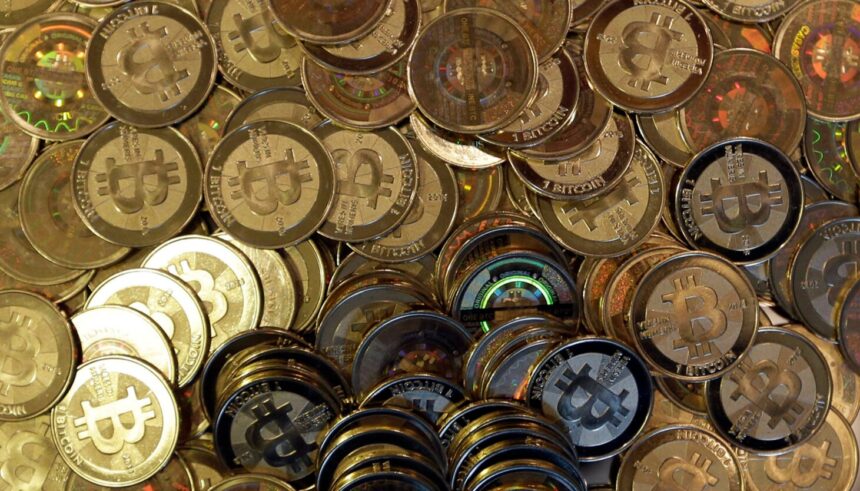
Bitcoin has resurfaced in global discussions as its notorious volatility continues to grab headlines. The narrative tends to focus on the fluctuating prices that provoke cheers from skeptics and celebrations from enthusiasts. However, this viewpoint often overlooks a deeper, more significant story.
For many individuals worldwide, Bitcoin transcends the quest for profit; it symbolizes a means of preserving freedom, particularly for those who have experienced economic collapse or repression. In regions where governmental institutions fail or oppress, having the ability to maintain value outside the reach of authority can be a pivotal difference between living in fear and reclaiming agency.
Take Venezuela as an example. During its most acute economic crisis, the country faced inflation rates soaring close to 1 million percent. The local currency became virtually worthless, leaving teachers in a precarious position, earning salaries that couldn’t cover even basic transportation. As millions fled the country, those who remained increasingly turned to dollars, remittances, and notably, Bitcoin for their survival. Unlike their native currency, Bitcoin could not be devalued or simply seized by the state.
Across the border in Colombia, artists have been repurposing devalued Venezuelan banknotes into fashionable items. These notes, once seen as currency, are now acknowledged more as fabric than functional money, encapsulating the drastic shift in perception of economic value.
Similarly, in Nigeria, a government initiative to redesign cash left many families without access to their funds. Activists found their accounts restricted, forcing them to turn to Bitcoin for everyday needs such as paying school fees or keeping businesses afloat. This wasn’t a trendy choice; it became essential for survival.
In Peru, Jacqueline Escobar recounted her childhood experience during hyperinflation, playing with paper money that had become worthless. This reality shaped her professional journey, leading her to become a fintech lawyer concerned with how financial systems can liberate or restrain individuals. For her, Bitcoin represented a path to financial stability and a trustable alternative to an untrustworthy system.
At recent events like the Black Blockchain Summit in Washington, D.C., African activists shared similar stories, highlighting that refugees often lose access to banks and savings when crossing borders. Bitcoin’s portable nature allows individuals to retain some financial autonomy even when they leave much behind.
In contrast to numerous digital currencies, Bitcoin stands out as it operates without a central authority. There is no CEO or marketing department behind it; its fixed supply and public rules have earned it a status akin to gold — recognized globally through trust and habitual use, not governmental decree.
While concerns exist regarding Bitcoin’s environmental impact due to significant energy consumption, this aspect does not overshadow its defining feature: an independent network that belongs to no single entity. Critics highlight its volatility and potential use in crime, yet the same arguments could be made for traditional currencies and banking systems that facilitate far more illicit activity.
The core question is not about the potential misuse of Bitcoin, but who wields control over it. As various regions face escalating issues with governmental authority and economic stability, Bitcoin maintains its relevance as a tool for those seeking refuge from these oppressive structures.
The hope is that such tools may not be necessary in stable nations. Yet, history tends to demystify the resilience of proud governments, often realizing that what begins as temporary emergency measures can linger longer than intended.
Listening to individuals who have escaped authoritarian rule provides insight into Bitcoin’s significance; they regard it as a potential refuge in times of distress, akin to safe houses of the past — a vital resource that differentiates between helplessness and empowerment.
As financial markets continue their cyclical rise and fall, the need for personal freedom remains constant. This enduring demand is what keeps Bitcoin relevant and necessary in our world.