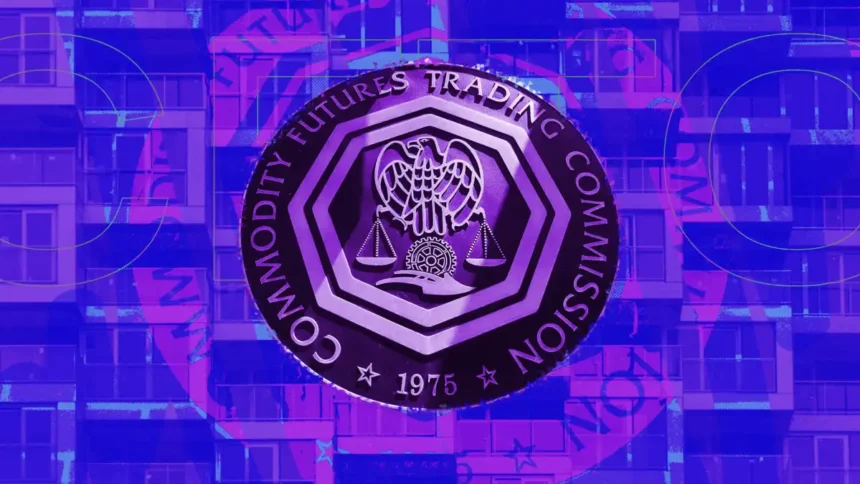
The Commodity Futures Trading Commission (CFTC) has publicly endorsed Crypto.com amidst a contentious legal battle with Nevada regulators concerning the operation of sports-related prediction markets. This endorsement signifies a growing rift between federal oversight of derivatives and state-level enforcement of gaming laws, particularly as many states ramp up their scrutiny of event-based platforms.
The CFTC’s stance emerges as a pivotal response from Chairman Michael Selig, who has been vocal about the agency’s commitment to the prediction market sector. In a recent op-ed in the Wall Street Journal, Selig elaborated on the CFTC’s role in this emerging landscape, framing the agency’s support as a necessary step at a time when state regulators are increasingly challenging the legal standing of prediction markets affiliated with cryptocurrency and exchange platforms.
The core of the dispute lies in Nevada’s assertion that the prediction contracts set forth by Crypto.com and similar platforms equate to unlicensed sports wagering under state law. Nevada is actively embroiled in legal confrontations, including a notable case involving Coinbase. State officials maintain that these sports contracts mimic traditional betting and thus fall under Nevada’s stringent gaming licensing requirements. They argue that these contracts should adhere to state regulations, irrespective of their classification as federally regulated financial instruments by the CFTC.
In response, the CFTC has indicated that it will not passively accept state measures that could undermine the regulatory framework established at the federal level. Through its amicus brief supporting Crypto.com, the CFTC intends to assert that event contracts aligned with federal law are within its jurisdiction, thereby challenging the legitimacy of state actions aimed at enforcing local gaming laws against federally regulated exchanges.
This situation is particularly critical as Nevada represents one of the most aggressive states in the battle over prediction markets. Recent moves by state regulators include requests for temporary restraining orders, civil enforcement actions, and appeals that involve federally registered exchanges. The CFTC’s backing of Crypto.com suggests that the resolution of this dispute could depend heavily on the principles of federal preemption.
The implications of this legal journey extend beyond Crypto.com; platforms such as Coinbase and Kalshi are similarly facing scrutiny across various states. The outcome of these legal proceedings could determine if sports-based event contracts must seek state gaming licenses or if they can solely operate under the auspices of federal derivatives regulation. Additionally, depending on court rulings, the future structure of prediction markets could either lead to a cohesive national framework or a disjointed state-by-state operation.
The clash between state regulators and federal authorities raises concerns regarding competitive fairness. State officials argue that allowing federally regulated platforms to offer sports-based contracts creates an unfair advantage over local licensed sportsbooks that adhere to regional regulations and pay associated taxes.
As the case proceeds through federal appellate courts, several potential outcomes loom on the horizon, including affirming federal authority over state enforcement or validating the latter’s power to regulate. A potential compromise between state and federal regulators could also emerge from these discussions.
Ultimately, the CFTC’s support for Crypto.com highlights a significant moment in the ongoing dialogue about the future of sports-related prediction markets in the United States, where the balance of regulatory power remains tenuous and highly contested. The legal precedents set in these cases will likely shape the operational landscape for prediction markets for years to come.