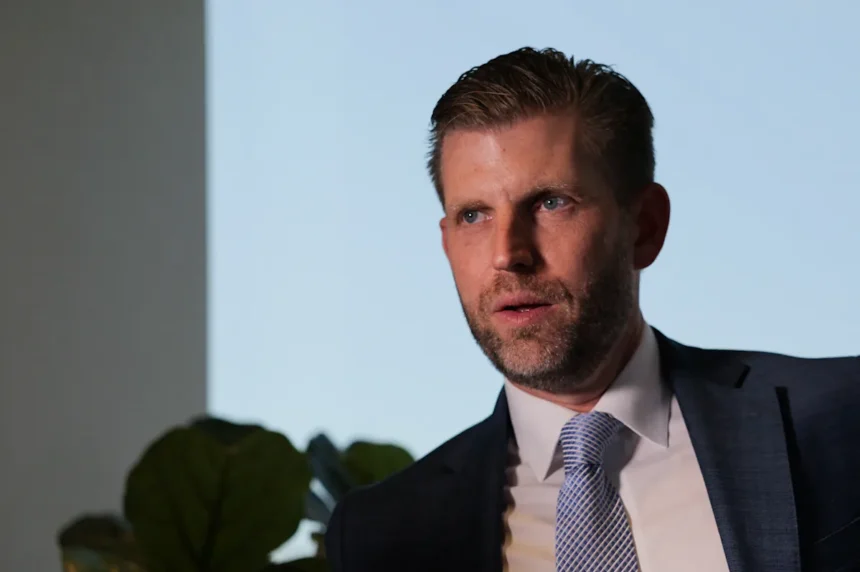
In a recent interview with Yahoo Finance, Eric Trump, a prominent figure in the real estate and cryptocurrency sectors, expressed his firm belief in the potential of cryptocurrency to revolutionize mainstream finance, despite the recent downturn in the market. Speaking from Palm Beach, Florida, Trump highlighted the historical volatility of bitcoin, noting its dramatic price fluctuations over the past decade. Despite bitcoin’s current price hovering around $67,000—significantly down from its all-time high—he remains optimistic about the future of digital assets.
“Markets aren’t always rational,” Trump stated, emphasizing that those who cannot endure market volatility should opt for more traditional investments, such as bonds with modest returns. His remarks come at a time when bitcoin has experienced a significant decline, roughly halving in value since its peak last October.
World Liberty Financial, Trump’s flagship crypto venture, is taking a calculated approach by delving into the less volatile aspect of the cryptocurrency landscape—tokenization. In collaboration with crypto firm Securitize and a Saudi Arabian real estate developer, World Liberty intends to tokenize real estate assets associated with a forthcoming Trump resort project in the Maldives, slated for completion in 2030. This innovative approach aims to transform revenue interests from loans into crypto securities that can be traded on exchanges, thereby broadening access for affluent investors.
The concept of tokenization involves creating a blockchain representation of an asset, allowing it to be traded in the crypto space. Eric Trump is particularly enthusiastic about this shift, asserting that it could fundamentally alter global finance, potentially extending tokenization to various assets, including commodities, intellectual property, and luxury items.
As the Trump family’s crypto ventures expand, Eric Trump noted the significant strides made since Donald Trump began endorsing cryptocurrency during his 2024 campaign. World Liberty’s launch of a US dollar-pegged stablecoin, USD1, which has quickly become one of the largest stablecoins by market value, has particularly garnered attention.
Despite ongoing discussions in Washington regarding the regulation of stablecoins and the broader cryptocurrency market, Eric Trump criticized banks for resisting changes that could threaten their traditional business models. He characterized banks as monopolistic, suggesting their reluctance to embrace crypto stems from fear of competition. This sentiment echoes the broader tensions between the banking sector and the burgeoning crypto market, particularly regarding issues such as yield policies on stablecoin balances.
The Trump Organization has recently filed lawsuits against major banks like Capital One and JPMorgan Chase, alleging political motives behind alleged debanking practices that have affected the organization and its associates. Both financial institutions have denied these allegations, with JPMorgan claiming the lawsuits lack merit and asserting their adherence to legal standards.
Eric Trump described his interactions with banks as “complicated,” attributing some difficulties to regulatory pressures from the current administration. While he acknowledged the challenges posed by banks, he also expressed respect for institutions like JPMorgan, indicating a nuanced understanding of the financial landscape.
As the crypto industry grapples with regulatory uncertainties and market volatility, discussions continue, with industry representatives convening at the White House to seek resolutions that could impact the future direction of cryptocurrencies and their integration into mainstream finance.