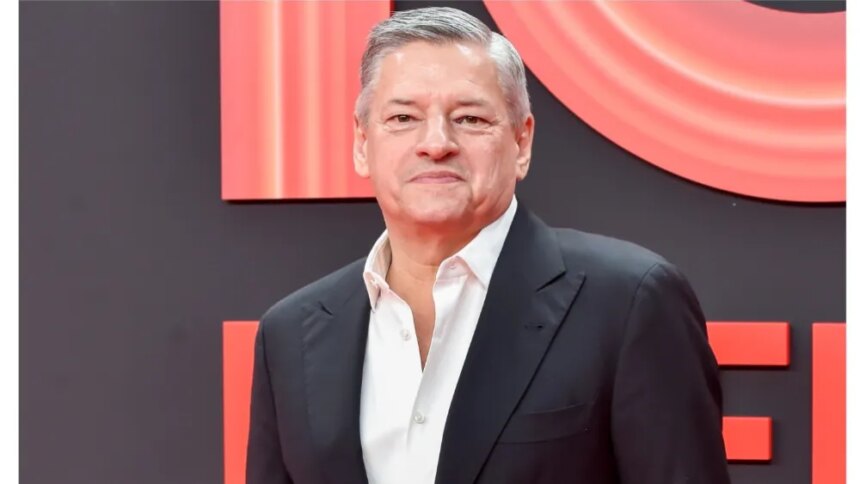
Ted Sarandos, co-CEO of Netflix, has taken a bold stance in the ongoing negotiations surrounding the acquisition of Warner Bros. Discovery (WBD). With the Netflix offer of $83 billion on the table, Sarandos is adamant that Netflix should emerge as the primary owner of WBD, expressing confidence even as negotiations between WBD’s board and Paramount Skydance unfold.
Sarandos doesn’t mince words when addressing the competition, particularly targeting the “misinformation” he claims has been propagated by Paramount Skydance and its CEO David Ellison. Sarandos pointedly remarks on the seven-day window granted to Paramount to deliver a superior offer, downplaying it as a mere obstacle. “It’s probably cheaper to make noise than it is to raise your bid,” he asserts, signaling that he believes the Paramount deal lacks clarity and competitiveness.
Discussing the potential merger, Sarandos remains tight-lipped about specific plans, yet hints at a vision that positions Netflix to effectively compete with industry giants like YouTube. Acknowledging the strategic importance of theatrical releases, he reiterates his commitment to maintaining a 45-day window for theatrical exhibition before movies transition to home viewing, continuing Netflix’s existing practice surrounding paid download periods.
Reflecting on the negotiation timeline, Sarandos noted that negotiations had intensified only recently, coinciding with a firm commitment from Netflix’s side, which he believes has been met with uncertainty from Paramount. He highlights how WBD’s processes have been transparent compared to those from Paramount, who, according to him, have been unclear in their proposals.
As the situation escalates, Sarandos emphasizes Netflix’s disciplined approach to mergers and acquisitions. He noted, “If someone wants to make a better deal… then we’ll see what happens down the road,” asserting that Netflix is strategically positioned to walk away if necessary.
When addressing employment stability, he advocates for the preservation of jobs, contrasting Netflix’s expansionist model with what he views as the cost-cutting tendencies of competitors. He firmly rejects the notion of dismantling existing structures post-merger, arguing instead for enhancing the production capabilities of both Netflix and WBD.
As the clock ticks down to the end of the seven-day window, Sarandos maintains an optimistic outlook, stressing that Netflix holds a signed deal with WBD, while keeping an eye on the evolving landscape. He remains wary of the competitive pressures exerted by rivals like Paramount in the regulatory landscape, asserting that Netflix has been a longstanding advocate for consumer value in entertainment.
As negotiations progress, the intricacies of market share perceptions and potential regulatory hurdles also come into focus. Sarandos disputes claims labeling Netflix as monopolistic, asserting, “We’re 9 percent of the business… and if you put HBO together with us, we’re 10 percent of the business.” This assertion highlights his perspective on the competitive landscape, where multiple players coexist, including platforms like YouTube, which compete for viewer attention.
The outcome of this high-stakes bidding war remains uncertain, as Sarandos remains committed to navigating through potential miscommunications and misinformation. He believes that the merger with WBD could elevate the service offerings both entities deliver to consumers, enhancing the entertainment experience rather than diminishing it.
As the potential merger of Netflix and WBD unfolds, the broader implications for the media landscape are palpable, with Sarandos at the helm, advocating for a transformative vision that prioritizes content quality, consumer experience, and the preservation of creative talent.