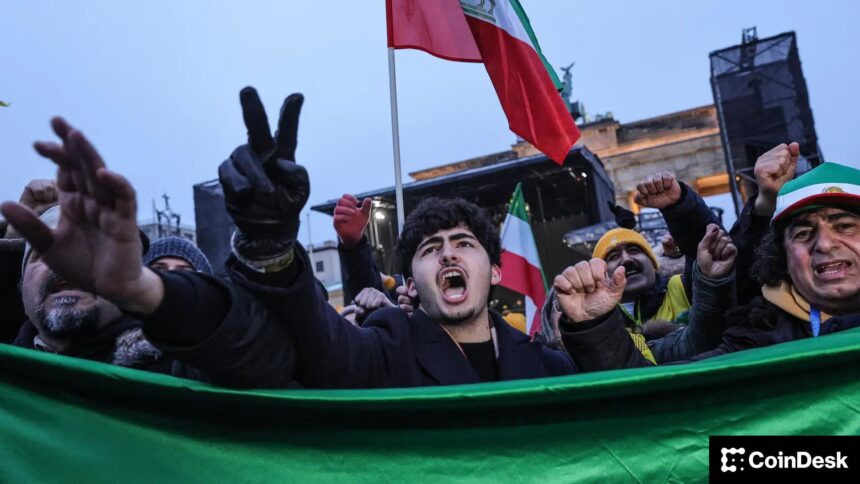
The ongoing economic turmoil in Iran has reached unprecedented levels, with the rial, the country’s official currency, effectively collapsing in 2026. Hyperinflation is devastating savings on a daily basis, exacerbated by crippling sanctions and detrimental governmental decisions. Families are increasingly desperate as their purchasing power diminishes, leading them to scurry for the essentials while their hard-earned savings evaporate. The situation echoes the financial crisis that Lebanon has faced since late 2019, marked by a banking freeze, a plummeting currency, and the frantic search for stable investments.
As Iran’s economic woes deepen, parallels with Lebanon’s struggles are strikingly apparent. In Lebanon, banks imposed strict restrictions on withdrawals, effectively locking up dollar savings, which subsequently lost significant value. The Lebanese pound plummeted, stripping away over 90% of the population’s wealth. ATM queues turned dangerous as desperation mounted, resulting in public protests. With family remittances from abroad becoming the only lifeline, the accompanying fees created additional burdens.
Now, Iran finds itself grappling with similar economic constraints. Sanctions have severed conventional trade routes, leading to rampant inflation. Reports indicate that cryptocurrency transactions in Iran reached nearly $8 billion in 2025, as citizens rushed to transfer Bitcoin to personal wallets. Fears of governmental freezes and further devaluation of the rial have sparked this trend, with even the central bank resorting to stablecoins like Tether to navigate existing restrictions.
In Lebanon, the adoption of Bitcoin surged as citizens who had previously dismissed it turned to the cryptocurrency as a viable alternative in the absence of effective financial systems. Peer-to-peer trading flourished, often facilitated through apps like Telegram, allowing individuals to bypass traditional banking systems. This underground economy enabled transactions even amid a collapsing official financial infrastructure, with merchants accepting Bitcoin for necessities such as food and fuel.
The stark reality of Lebanon’s economic breakdown demonstrated the pitfalls of centralized finance. Banks not only limited withdrawals but also depleted deposits, turning trust into a scarce commodity almost overnight. Individuals saw their lifelong savings, retirement funds, and business capital stripped away, reinforcing the necessity of finding alternative financial solutions. Bitcoin emerged as a crucial safeguard, granting holders a level of control that state policies could not disrupt. Transactions could be verified without third-party interventions, and remittances could cross borders within minutes.
Despite the challenges—such as power outages, unstable internet connections, and the risk of falling victim to unscrupulous services—communities formed quickly to share knowledge and strategies. Individuals educated themselves on best practices for managing Bitcoin, emphasizing the importance of controlling private keys and using non-custodial wallets.
Looking at Iran’s current situation, there are valuable lessons to be learned from Lebanon’s experience. The rial’s devaluation and ongoing protests indicate a growing frustration among the populace. Onchain data reveals a shift toward self-custody solutions, aimed at protecting against state seizures and hyperinflation. The government’s contradictory signals—between regulating cryptocurrency mining and exploring its use for imports—only add to the uncertainty. However, Bitcoin remains a straightforward solution for many: it guarantees transfers without the constraints of borders and state control.
The practices that have stemmed from Lebanon’s economic crisis offer a potential roadmap for Iranians. Establishing trustworthy peer-to-peer networks, utilizing non-custodial wallets, and backing up all critical information can aid citizens in weathering the financial storm. While challenges remain—such as fluctuating regulations, internet disruptions, and price volatility—the alternative is stagnation amid a failing currency system.
In summary, the economic crises in Lebanon and Iran reveal the fragility of centralized financial structures. Overreaching monetary policies, account freezes, and international isolation have pushed citizens toward unconventional solutions like Bitcoin, which offers a means to regain control over their financial futures. The hard drop of the rial signals more than just economic despair; it opens the door for transformation. Importantly, as history has shown, waiting for governmental solutions often results in missed opportunities. Taking proactive steps toward ownership and financial independence is essential. Individuals must reclaim their resources, one satoshi at a time, in the face of institutional failure.