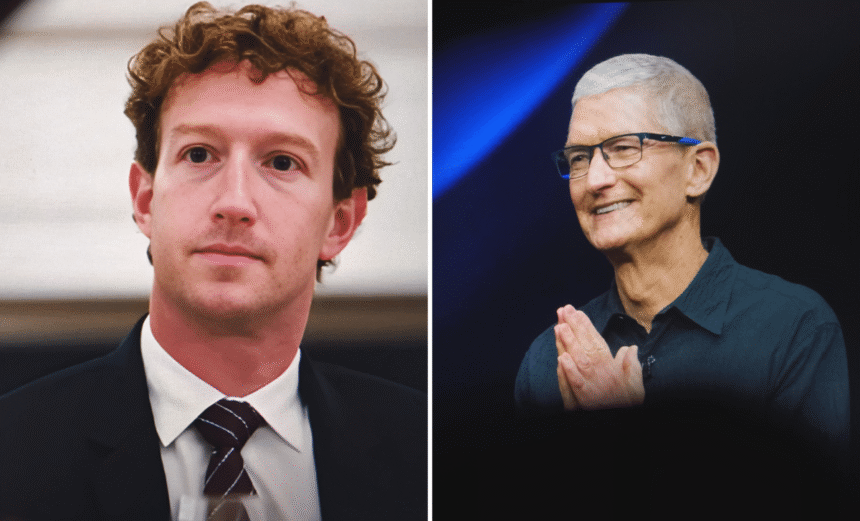
In a significant civil trial unfolding in Los Angeles, Mark Zuckerberg and Meta are facing intense scrutiny regarding the impact of Instagram on young users’ mental health. The case centers on allegations that the social media platform has contributed to the struggles of a young user, making it a focal point in ongoing discussions about the responsibilities of tech companies.
Zuckerberg’s testimony provided a unique glimpse into his views on corporate responsibility, platform design, and the balance between expression and safety. During his appearances in court, he described efforts to collaborate with peers in the industry, specifically mentioning outreach to Apple CEO Tim Cook in 2018 regarding youth wellbeing. His acknowledgment of past internal communications—characterized as “overbearing”—revealed additional layers to his management style and the company’s internal culture.
The dialogue turned technical as Zuckerberg was questioned about his qualifications to assess the connection between social media use and psychological harm. When pressed about his educational background, he admitted, “I don’t have a college degree in anything,” yet asserted his grasp of statistics. This exchange highlighted the ongoing debate over the expertise needed to navigate issues of legal causation versus statistical correlation.
Key legal questions are emerging, particularly surrounding whether Instagram was a significant factor in the plaintiff’s mental health challenges. Meta has strongly denied the allegations, emphasizing that the jury’s role is to determine the extent of Instagram’s influence on the plaintiff’s struggles. The defense maintains that correlation alone does not suffice to demonstrate legal causation.
Legal representatives for the plaintiff raised concerns about Meta’s protection measures for minors, challenging the company’s reliance on fine print and age restrictions. Tensions escalated in the courtroom when procedural issues arose, prompting a judge to remind the parties about the serious implications of their actions during the trial.
On a broader scale, public officials have framed the lawsuit as part of a critical discussion concerning child safety in digital spaces. Statements from plaintiff attorneys characterize Meta as having created a product that “enables not only the targeting of children but the exploitation of children in virtual and real-world contexts.”
As the trial progresses, it underscores the complexities of managing digital platforms and overseeing their impact on young users. One recurring theme has been Zuckerberg’s significant control within Meta’s governance, a point he addressed during his testimony. He referenced his ability to influence board decisions, a stance that has drawn criticism for limiting traditional accountability barriers usually present in corporate governance.
Amidst these discussions, Instagram’s head, Adam Mosseri, acknowledged the personalized nature of social media use, suggesting that users might engage with the platform in ways that exceed healthy boundaries.
As the case unfolds, the implications of the jury’s decision could resonate beyond this trial, influencing future litigation and shaping regulatory frameworks. Lawmakers, technology leaders, and parents are closely monitoring the outcomes, highlighting a nationwide concern for the well-being of younger users in an increasingly digital world. This trial serves as both a legal contest and a reflection of society’s ongoing struggle to balance innovation with responsibility.