Concerns regarding a potential recession are prevalent among Americans, with a recent survey revealing that approximately 80% are at least somewhat apprehensive about the economic outlook. The survey, conducted by the financial association MDRT, has highlighted a notable sense of unease about the future of the market.
Current stock market indicators hint at possible declines in the near future. For example, the S&P 500 Shiller CAPE Ratio is signaling that the index may be overvalued, reaching levels not seen since the dot-com bubble in the early 2000s. While these metrics do not guarantee a recession will occur in 2026, they highlight the importance of preparing for potential downturns.
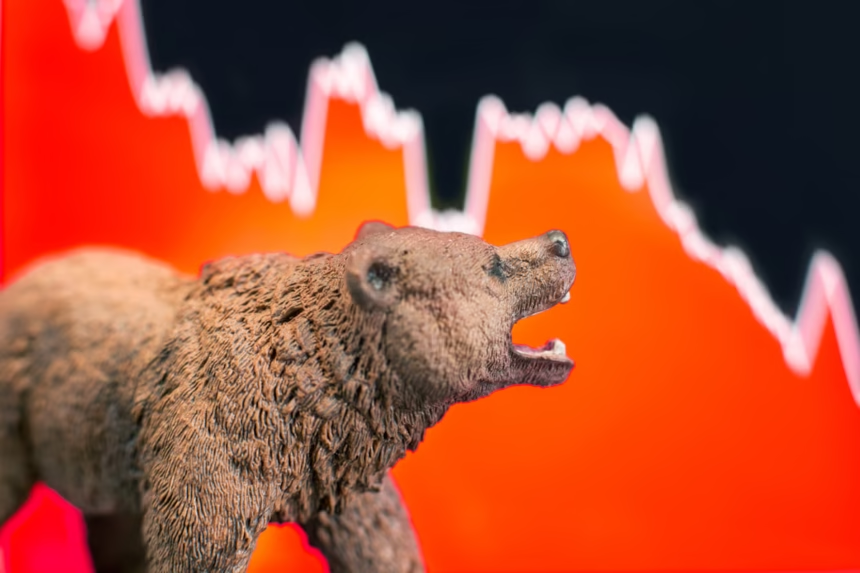
Investing strategies may need to adapt in the face of market volatility. Historical data indicates that while market fluctuations can lead to portfolio devaluation, a long-term investment approach remains one of the most effective methods for wealth accumulation. Research from Bespoke Investing illustrates that the average bear market, which has typically lasted around 286 days since 1929, can result in significant short-term losses. In contrast, bull markets tend to extend for over 1,000 days, providing ample recovery time.
Staying patient through turbulent times is crucial. Panic selling during a downturn often results in locking in losses, as investors may be compelled to sell stocks for much less than their initial purchase price. History supports the notion that remaining invested is the most prudent course of action; no historic downturn has gone unrecovered in the long run.
The S&P 500 has shown resilience, rising nearly 45% since it hit the lowest point during the recent bear market in January 2022, and an impressive nearly 400% since the dot-com era collapse.
While uncertainties remain surrounding the timing and severity of future economic challenges, the prevailing sentiment is one of cautious optimism. Remaining invested, despite potential volatility, may offer the best chance for achieving positive returns over time. Those willing to endure fluctuations in the market are more likely to come out ahead, reinforcing the wisdom of a long-term investment perspective.