Bitcoin experienced a short-lived surge as it moved higher alongside gains in Asian equities, reflecting an overall risk-on sentiment among market participants ahead of Nvidia’s upcoming quarterly earnings. Observers noted that this upward movement was likely fueled by a sense of relief following the previous week’s turmoil over tariffs and legal challenges, rather than any significant policy implications discussed during President Trump’s address.
Leading up to Trump’s State of the Union speech, Bitcoin saw a substantial increase, climbing over $2,000 from around $64,000 to approximately $66,000, according to CoinGecko data. However, the cryptocurrency has since dropped slightly to around $65,500, which still marks a 3.5% increase for the day.
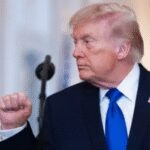
In his address, Trump characterized his first year back in office as a “turnaround for the ages,” asserting that the nation has become “bigger, better, richer, and stronger.” He emphasized a commitment to maintaining policies differing from those of his predecessor, while highlighting tax cuts, tariff strategies, and declining inflation rates.
Investors are closely monitoring whether Bitcoin’s relationship with traditional risk assets remains robust, especially as Asian stocks saw gains in anticipation of Nvidia’s earnings report scheduled for Wednesday. Experts, such as Derek Lim from the crypto market-making firm Caladan, suggest Bitcoin’s rise stemmed more from market positioning and relief from prior volatility than from the specifics of Trump’s speech. “These factors had far more direct market relevance than anything said at the podium,” Lim noted.
Trump claimed during his address that inflation rates are falling significantly, asserting that core inflation has reached a five-year low, with a recent decline of 1.7% over the past three months. He added that mortgage rates have hit their lowest levels in four years, reducing the annual cost of new mortgages by nearly $5,000 compared to the previous year.
The President also pointed out the stock market’s performance, boasting that there have been “53 record highs since the election,” and noted that the Dow Jones Industrial Average reached the 50,000 mark “four years ahead of schedule.” Lim, however, cautioned that this figure could obscure the underlying market dynamics. Just after the announcement of a new tariff regime in April 2025, the Dow sank below 37,000, which was around 18% off its peak. The index later struggled to maintain the 50,000 milestone, trading at approximately 49,174 on the night of Trump’s address.
Trump attributed tariffs as a crucial element of his economic strategy, claiming they generated “hundreds of billions of dollars” and facilitated favorable economic and national security agreements. These comments came following a recent Supreme Court ruling that curtailed his ability to impose extensive tariffs—an outcome Trump referred to as “a very unfortunate ruling.” Despite this setback, he reaffirmed his dedication to these tariffs, stating that they would persist under “approved and tested alternative legal statutes.”
As attention turned to the equity markets, the Nasdaq 100 closed Tuesday with a notable gain of 268 points, buoyed by performances from major companies such as Apple, Microsoft, Tesla, and Google. Investors are particularly focused on Nvidia’s earnings call, which Lim regards as “the single most important catalyst in the window,” impacting both equity and cryptocurrency markets.
Trump’s address is perceived as a strategic move ahead of the upcoming midterm elections, serving to outline Republican priorities concerning the cost of living, border security, and economic performance.