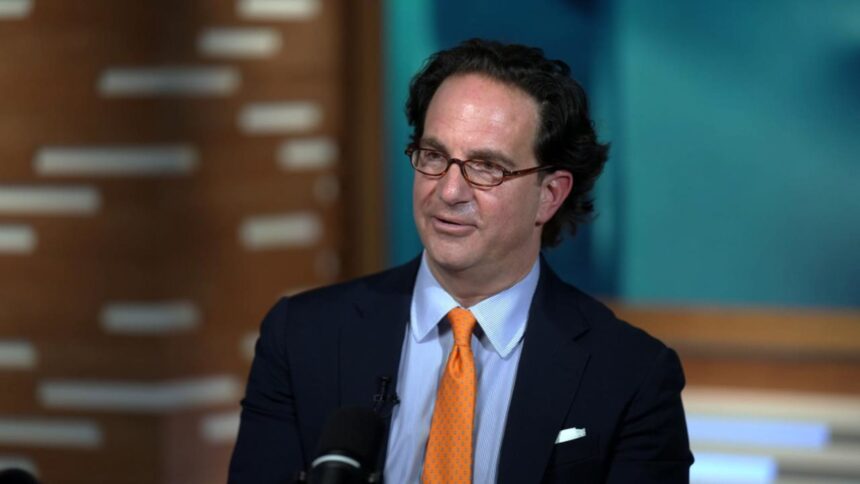
In a bold move reflecting the current complexities in commercial real estate, Bozzuto Group has joined forces with Invesco to initiate a $1 billion venture aimed at acquiring existing multifamily properties along the East Coast. This initiative highlights a strategic shift toward revitalizing older properties that have experienced significant devaluation. The companies plan to enhance and reposition these assets to compete more effectively against newer developments boasting modern amenities.
Greg Kraus, managing director and head of U.S. transactions at Invesco Real Estate, emphasized the goal of this investment is to “capitalize on recovering market fundamentals.” The new fund emerges amid a significant oversupply in the multifamily market, which has been fueled by a construction surge over the past five years. This spike occurred primarily due to favorable interest rates during the early pandemic period and demographic shifts. However, many newly constructed units are still entering the market now that interest rates have risen, creating a more complicated landscape for property management.
Despite the oversupply, Toby Bozzuto, CEO of Bozzuto Group, described the situation as a “temporary phenomenon.” He pointed out that while supply is currently a challenge, it will eventually pave the way for improved affordability. Bozzuto predicts that the vacancy rates will begin to improve by 2026, with some influence extending into early 2027.
Acquiring existing buildings is particularly advantageous in the current market, as these properties can be obtained for prices that are 10% to 20% below the cost of new construction. Additionally, purchasing established properties allows for quicker entry into the market, bypassing the lengthy regulatory processes that often delay new developments. Bozzuto noted, “If you buy a building, you’re not going through the regulatory morass that has exacerbated the supply problem.”
Experts anticipate a reversal in the oversupply trend within a few years, largely driven by demographic factors and the high costs associated with for-sale housing, which have led more individuals to choose renting. According to Yardi’s latest report, a significant drop in new apartment constructions is expected, potentially easing leasing pressures in high-demand markets. The report forecasts that around 450,000 units will be delivered in 2026, a decrease compared to recent years, but still not enough to drive rents up substantially.
Investor sentiment in the multifamily sector remains cautiously optimistic. A survey conducted by Berkadia in 2026 reflected this outlook, revealing that 87% of investors plan to either moderately or aggressively expand their multifamily holdings this year despite the surrounding challenges.
However, concerns linger regarding increasing delinquencies on multifamily loans, which could impact property valuations. Bozzuto appears to be unfazed by these factors, suggesting that the distress will be manageable compared to other asset classes. He commented on certain properties where developers may have stretched their financing or leveraged floating-rate loans, indicating potential issues when transitioning to permanent loans.
Bozzuto’s vision for the venture involves scouting multifamily assets from the East Coast all the way to Chicago, identifying opportunities for value enhancement. “We will go up and down the East Coast, maybe all the way to Chicago, and buy multifamily assets that we can — ‘value add,'” he stated. He remains optimistic that by improving management and executing renovations, these properties will eventually experience rent growth.
Looking ahead, Bozzuto expressed hope that the fundamentals of the market will shift in a manner that supports new development initiatives as well, allowing them to flourish in conjunction with the revitalization of existing properties.