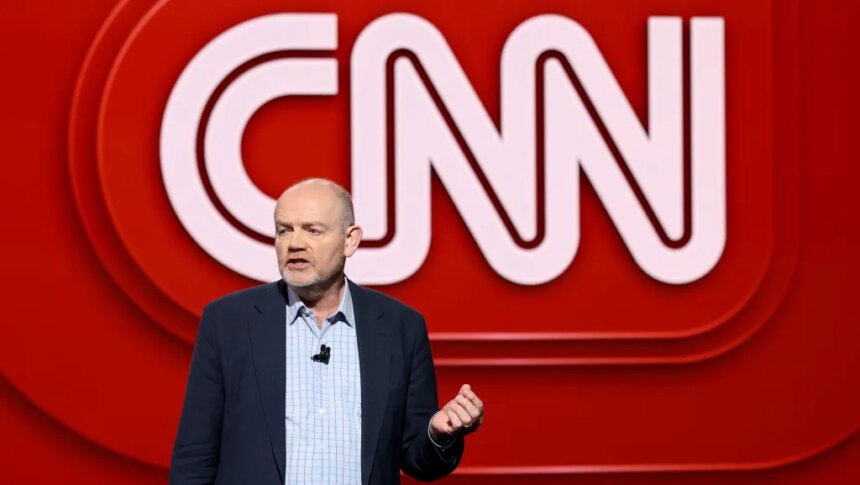
Just hours after Netflix shifted its focus from Warner Bros. to Paramount, anxiety filled the air at CNN following a staff memo from CEO Mark Thompson aimed at calming fears regarding the network’s new ownership. Thompson urged employees not to jump to conclusions before more information was available, but the prevailing sentiment among CNN staff was reportedly “beyond bleak.”
Warner Bros. Discovery’s decision to sell has sparked rampant speculation about the network’s future under new ownership. Though Paramount has not released specific plans for CNN, concerns have intensified following reports that David Ellison, head of the bidding company, assured former President Donald Trump that significant changes would be made to the network. Ellison’s attendance at Trump’s State of the Union address, alongside a loyal supporter in Congress, further fueled fears regarding the network’s editorial direction.
Frank Sesno, a media expert and former CNN bureau chief, voiced his concerns, pointing out that previous networks he worked for faced similar transitions but emphasized that the current situation presented unique challenges. He raised critical questions about whether CNN’s reputation for global journalism would sustain under the new regime and the possibility of political pressures influencing editorial choices. The Ellisons’ public ties to Trump sparked unease over the future trajectory of CNN’s reporting.
As Paramount secures its hold on two significant news outlets—CBS News alongside CNN—the implications for their operations loom large. Observers note that while CNN has strong union representation, CBS may face more severe upheavals as management seeks to cut costs amidst changing media consumption habits. Sesno identified three primary areas of concern: potential shifts in editorial content, resource consolidation strategies to reduce expenses, and the overall organizational structure of the news division.
The current transition for CNN comes amid a backdrop of uncertainty, following multiple ownership changes in recent years. Past mergers brought skepticism over corporate interests overshadowing journalistic integrity, a notion that continues to resonate in the industry. The involvement of Trump in the negotiation landscape—potentially promising favorable regulatory conditions—reflects a departure from traditional presidential restraint.
Amid mounting concerns over trust in media, an issue affecting news organizations across the spectrum, Sesno cautioned against viewing trust-building as necessitating a political shift. He highlighted the dangers of creating a false equivalency that oversimplifies the challenges of modern journalism.
With layoffs and buyouts affecting CBS News in recent times, discontent among departing staff has become increasingly vocal. Reports suggest that some have expressed frustration with directives to target specific political demographics in their reporting.
Paramount’s announcement regarding the merger offered limited details on CNN’s future, promising improved cash flow and efficiency but lacking commitments for the network. As anxiety among CNN staff mounts, former CNN anchor Jim Acosta voiced deep concern for the current employees, alluding to a pervasive fear of job insecurity as the company navigates this new chapter.