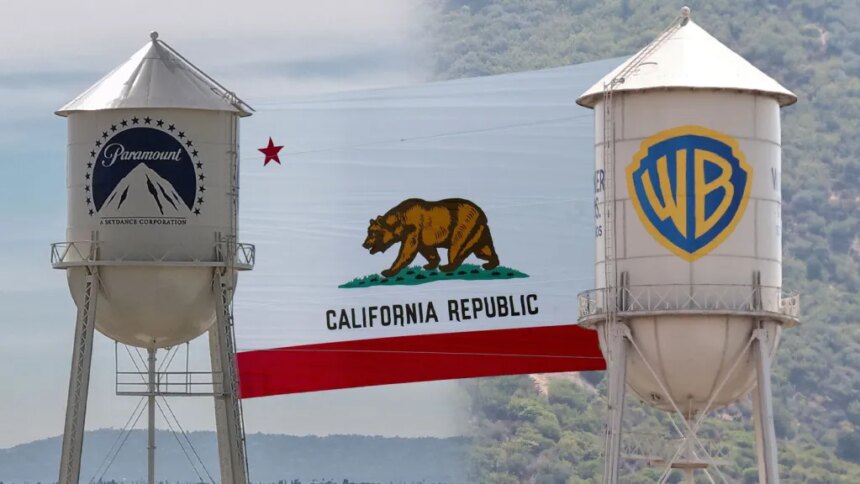
The impending merger between Paramount and Warner Bros Discovery is under increasing scrutiny as California’s Attorney General, Rob Bonta, initiates discussions with fellow state AGs concerning the potential antitrust implications of the deal. In a public statement today, Bonta emphasized California’s vested interest in maintaining competition within the entertainment landscape, a sentiment he expressed in response to actor Mark Ruffalo’s advocacy against the merger.
Bonta’s tweet indicated broader collaboration with other state attorneys general, particularly those from Democratic-leaning states, as concerns mount about the impact of corporate consolidation on market competition and wages within the industry. “As the epicenter of the entertainment industry, California has a special interest in protecting competition,” he reiterated, confirming ongoing dialogues about the merger’s fallout.
Ruffalo, known for his outspoken views on social issues, urged Bonta to lead an effort to enlist other state AGs to discuss the merger’s ramifications on industry competition and consumer choices. He expressed concern that the consolidation could diminish opportunities for filmmakers and result in lower wages and reduced product quality. Ruffalo’s call to action highlights fears among industry insiders that previous mergers have negatively impacted both talent and business viability.
Late last week, Bonta acted swiftly to temper any celebratory remarks from executives, including WBD CEO David Zaslav, after news of Paramount’s preliminary approval of an aggressive $110 billion takeover bid. He underscored that the deal is far from finalized, positioning California’s AG’s office as a key player in assessing the merger’s compliance with competition laws.
While the California AG’s office has yet to provide specific details regarding its conversations with other states, insider sources suggest that counterparts from states like New York, Virginia, Washington, and Pennsylvania are among those involved in discussions concerning the merger’s potential effects.
The concerns echoed by the coalition of state AGs mirror longstanding critiques from various groups that argue increased consolidation leads to fewer opportunities for filmmakers and greater monopoly power to dictate terms, something previously highlighted in opposition to Netflix’s acquisition efforts for Warner Bros.
In addition to local AGs, Bonta has reportedly reached out to federal Democratic lawmakers regarding strategic coordination on antitrust scrutiny. This aligns with recent strong remarks from Senator Chris Murphy, who asserted that Democrats are committed to dismantling “anti-democratic information conglomerates” should they regain majority control. His statements reaffirm a growing political will to carefully examine the implications of major entertainment consolidations, especially in light of the historical context surrounding past dealings involving figures from the Trump administration.
While past attempts to block mergers have faced challenges, the latest developments indicate a more organized push against the anticipated merger, particularly from a coalition of Democratic AGs and federal lawmakers. The narrative surrounding the merger continues to evolve, with both potential regulatory actions and significant financial penalties looming. The current agreement includes substantial penalties, such as a $2.8 billion fee already incurred by Paramount and a potential $7 billion obligation for the Ellison-controlled studio if regulatory hurdles arise.
Notably, there is also a financial mechanism at play, a “ticking fee” of $0.25 per share per quarter, which will come into effect if the merger isn’t finalized by September 30, 2026. As discussions unfold, both legal and market dynamics remain in flux, keeping industry stakeholders and consumers alerted to possible changes in the entertainment landscape.