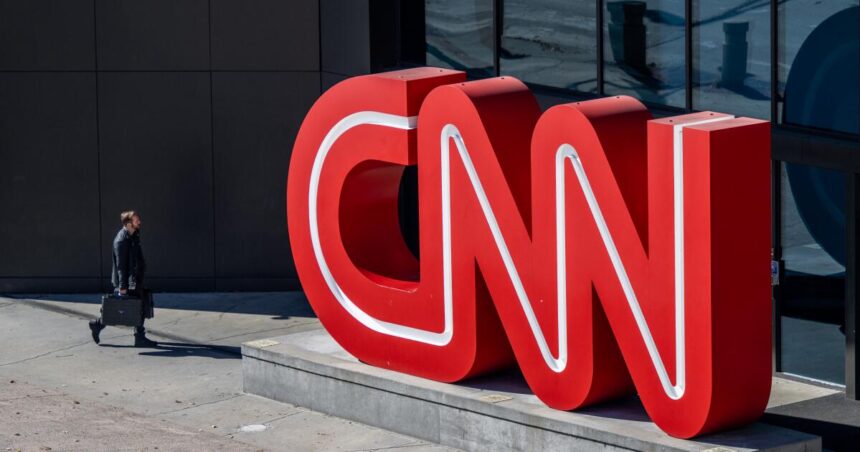
The media industry is buzzing with speculation following the announcement of Paramount Skydance’s acquisition of Warner Bros. Discovery, raising significant questions about the future of CNN. As one of the prominent assets slated for transfer under this deal, CNN’s direction hinges on the evolving vision of Paramount’s new leadership and the implications for its newsroom culture.
Paramount has undergone rapid changes under Chief Executive David Ellison, who took the helm after his family’s acquisition of the company last summer. His administration has already yielded notable shifts, particularly at CBS News, highlighted by the controversial appointment of Bari Weiss as editor in chief. Weiss’s leadership has faced scrutiny, especially following her decision to temporarily pull a “60 Minutes” segment involving a prison in El Salvador. Though the network insisted the segment required further reporting before airing, critics described the move as politically charged.
Recent turmoil at CBS News included the departure of Anderson Cooper, a veteran correspondent who announced his exit to prioritize family time. Additionally, a producer at CBS Evening News was dismissed for questioning the editorial changes under Weiss, indicating a period of instability at the network.
Amid these developments, concerns have arisen about potential changes at CNN, a network frequently in the crosshairs of former President Trump, who has publicly criticized its hosts and led calls for their removal. Mark Thompson, CNN Worldwide’s Chief Executive, attempted to alleviate worries among employees in an internal memo, urging them to focus on their journalistic mission despite the uncertainties surrounding the impending merger and its impact.
Ellison emphasized his vision for a new news operation grounded in trust and balanced reporting, aiming to appeal to the middle ground of America. In past interviews, he has expressed a desire for a news service that prioritizes truth and integrity, distancing himself from the contentious atmosphere that has characterized CNN in recent years. However, he refrained from speculating on his relationship with Trump regarding the network’s leadership.
Concerns regarding press freedom and the potential implications of this deal extend beyond CNN. Scholars have raised alarms about how declining journalistic independence could manifest in the U.S., drawing parallels to trends observed in other countries with authoritarian regimes that use media control to promote a favorable narrative.
Lawmakers have also voiced apprehension about the merger beyond media implications, particularly how it could impact jobs and production within the industry. Lawmakers such as Representatives Laura Friedman and Senators Adam Schiff and Cory Booker have shown interest in examining how the consolidation of major studios could stifle competition and innovation in Hollywood. Senator Elizabeth Warren labeled the merger an “antitrust disaster,” urging legislative measures to protect consumers from potential price hikes and limited options.
California Attorney General Rob Bonta has stated that the merger is not yet finalized, announcing consultations with attorneys general from other states to evaluate the situation. He emphasized California’s vested interest in maintaining competitive markets within the entertainment sector.
Ellison attempted to quell some of the apprehensions by presenting the merger as an opportunity to combine creative talent and resources to deliver enhanced value to audiences. His optimism suggests a strategic move towards a more integrated media landscape, though the road ahead remains fraught with challenges as stakeholders prepare for potential legal and operational hurdles in the wake of this significant deal.