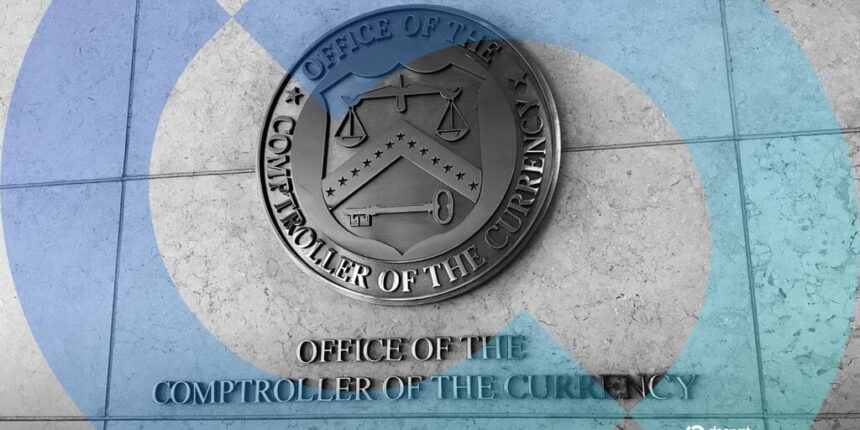
A pivotal development in the cryptocurrency regulatory landscape emerged as the Office of the Comptroller of the Currency (OCC) unveiled proposed rules aimed at implementing the GENIUS Act, a legislation signed into law last year. The extensive 376-page document includes specific sections that could impact rewards programs associated with popular stablecoins, stirring a complex debate among industry experts.
The proposed regulations, now entering a 60-day public comment period, include prohibitions on certain stablecoin reward systems. These restrictions may affect how stablecoin issuers collaborate with third-party entities, particularly in scenarios where providers share yield with stablecoin holders based on their asset retention and usage. This aspect seemingly threatens existing arrangements like that between Circle, the issuer of USDC, and Coinbase, which currently offers its users an approximate 4% yield on USDC deposits—an attractive feature that has fueled significant revenue for the exchange.
Industry analysts suggest that while the OCC’s proposed language may pose challenges to Coinbase’s USDC rewards program, the intricate nature of the regulations leaves room for potential adjustments. Some experts opine that Coinbase may have anticipated the need to recalibrate its approach to USDC rewards in response to the legislation’s eventual implementation.
Responding to the proposed rules, certain crypto-focused professionals have expressed concern over what they regard as regressive measures. Scott Johnsson, a finance attorney with expertise in digital currencies, highlighted that the OCC’s language is likely to influence Coinbase’s rewards but remains hopeful that subsequent challenges could lead to modifications of the rules. Conversely, Circle’s leadership has expressed approval of the OCC’s initiative, framing it as a step toward bolstering U.S. leadership in financial innovation.
Despite these differing views, a banking industry representative underscored lingering apprehensions about potential loopholes within the proposed restrictions. The representative emphasized ongoing negotiations between banking and cryptocurrency sectors concerning stablecoin yields, indicative of a broader struggle over market structure regulations. They pointed out that regulatory frameworks could continually evolve, which adds another layer of uncertainty for those invested in the crypto space.
At the heart of this discourse is a tug-of-war over customer retention, with traditional banks wary that stablecoin rewards could divert users from their low-yield accounts. The OCC’s proposed rules, some believe, fall short of fundamentally resolving these tensions, illustrating the continued rift between established financial institutions and the burgeoning digital asset market.
As the public comment period unfolds, all eyes will remain on the implications of these proposed regulations and the near future of stablecoin rewards in the ever-evolving financial landscape.