In a recent escalation of geopolitical tensions, the Trump administration has launched a military operation named Operation Epic Fury against Iran, which has heightened concerns over stability in the Middle East. Critics have condemned the operation as another demonstration of the U.S. administration’s inclination towards aggressive military strategies, reflecting an apparent disregard for international law and established global norms. This behavior mirrors earlier actions, including the inconsistent tariff policies and military actions in Venezuela, sparking fears of a more chaotic international landscape.
The repercussions of this military action extend beyond immediate regional instability as it intertwines with the state of the U.S. economy and the global financial system. Notably, the trade-weighted value of the U.S. dollar has declined by 7% over the past year, even amidst strong domestic economic growth and thriving stock markets. This depreciation raises questions about the stability of U.S. economic policies, as many see them as increasingly unpredictable.
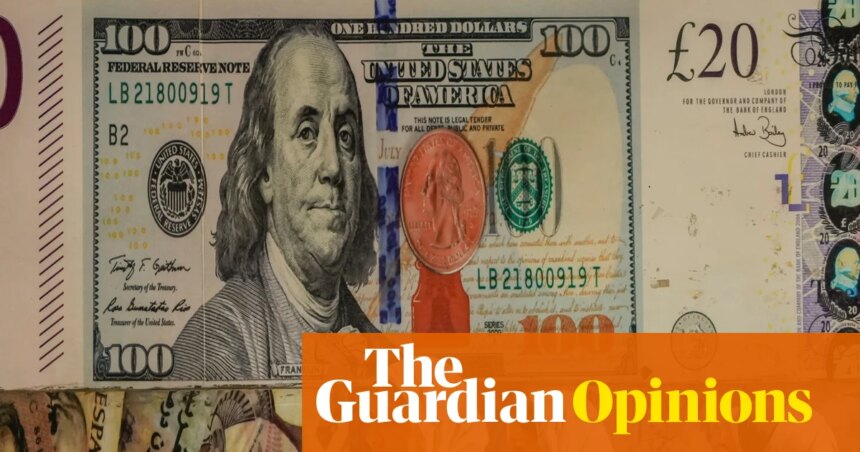
At a recent London conference organized by the Centre for Inclusive Trade Policy, experts assessed the future of the U.S. dollar. They foresee a shift towards a multipolar currency system rather than a direct replacement of the dollar, reminiscent of its ascent post-World War II when it supplanted the British pound. While trade is still heavily dollar-denominated, the growing usage of the Chinese renminbi and shifts in central bank reserve compositions indicate a gradual transition. The dollar’s share in global reserves fell from 71% in 2001 to 57% by the end of the previous year.
These developments are partly rooted in the historical actions of the U.S. Federal Reserve, which, in response to the 2007-08 financial crisis, provided critical liquidity to certain nations through currency swap lines. This action, while beneficial at the time, illustrated the leverage the U.S. holds due to the dollar’s integral role in global finance. Increasingly, however, countries have expressed apprehension regarding U.S. economic sanctions and the potential risks of “weaponised interdependence,” as highlighted by discussions surrounding the use of financial infrastructure and trade as instruments of political power.
Amidst this backdrop, alternative financial systems are emerging. Recent discourse suggests that countries, especially in Europe and Asia, are investing in digital currencies and various financial mechanisms to bolster their economic security against perceived U.S. dominance. The European Central Bank’s announcement to enhance its repo arrangements illustrates this shift; it aims to ensure liquidity support for countries during times of financial instability, further solidifying the euro’s standing in the international market.
Additionally, the BRICS nations—Brazil, Russia, India, China, and others—are engaged in dialogues to diminish dollar reliance and explore mechanisms for direct currency exchanges during emergencies. While a unified BRICS currency remains speculative, the establishment of alternative swap lines signifies a concerted effort to construct financial frameworks that operate independently of the U.S.
As this global financial landscape evolves, experts predict significant implications for the United States, especially as research indicates diminishing allure for U.S. treasuries, which have been historically favored as a safe asset. Concerns about U.S. fiscal deficits and national debt are mounting, with projections suggesting a rise to 130% of GDP within five years, leading many to question the sustainability of such economic practices.
Currently, U.S. Treasuries may still attract investors during periods of uncertainty, reflecting their long-standing status as a safe haven. However, the trend of de-dollarization is gaining traction. The chaotic environment fostered by the Trump administration catalyzes this shift, with nations worldwide taking proactive measures to develop alternatives. In light of these developments, the prospect of a diminished dollar dominance poses significant challenges for the U.S. economy in the years to come.