Oil prices surged significantly at the start of market trading on Sunday, driven by escalating tensions in the Middle East. Attacks by U.S. and Israeli forces on Iranian targets, combined with retaliatory strikes against Israeli and U.S. military facilities, have sent shockwaves through the global energy market, raising concerns over supply disruptions.
As traders reacted to the potential slowdown in oil supplies from Iran and other Middle Eastern nations, West Texas Intermediate, a benchmark for U.S. crude oil, surged to approximately $72 a barrel, reflecting an 8% increase from its previous closing price of about $67. Energy analysts predict that escalating conflict could severely impact the flow of oil from the region, consequently leading to higher costs for crude oil and gasoline.
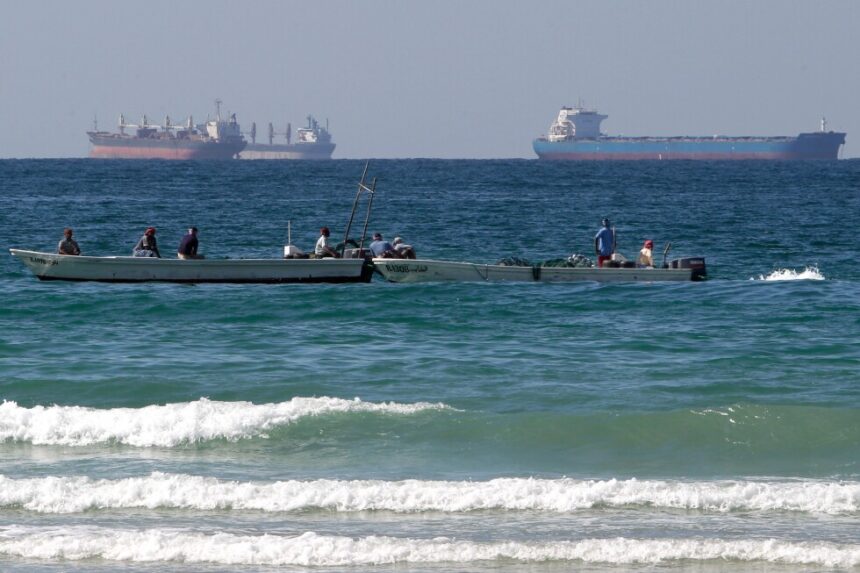
The Strait of Hormuz, a vital shipping channel located at the entrance of the Persian Gulf, plays a critical role in global oil transportation. Approximately 15 million barrels of crude oil—accounting for 20% of the world’s oil supply—pass through this narrow waterway daily. The strait is bordered by Iran to the north and is a major conduit for oil from several Gulf nations, including Saudi Arabia, Iraq, and the United Arab Emirates.
The geopolitical situation is precarious; earlier in February, Iran briefly shut down part of the strait for what it termed a military drill. Experts are concerned that further instability could hinder oil shipments, exacerbating supply shortages and driving prices even higher.
In light of the tumultuous situation, eight members of the OPEC+ oil cartel announced plans to increase crude oil production. The coalition’s decision, which was made prior to the onset of the recent conflict, will see an uptick of 206,000 barrels per day starting in April—significantly more than many analysts had anticipated. The countries involved in the production increase include major players such as Saudi Arabia, Russia, Iraq, the United Arab Emirates, Kuwait, Kazakhstan, Algeria, and Oman.
Despite the planned increase in output, experts warn that the real concern lies in the ability to transport oil rather than merely the availability of spare production capacity. Jorge León, a senior vice president at Rystad Energy, emphasized that the vital nature of the Strait of Hormuz means that any constraints on oil flows through the region would nullify the benefits of increased production. Additionally, Iran’s exports, which stand at about 1.6 million barrels a day primarily to China, could also face significant challenges, leading to further price hikes.
As the situation unfolds, market participants remain vigilant about the geopolitical landscape, closely monitoring developments that could impact oil supply and prices on a global scale.