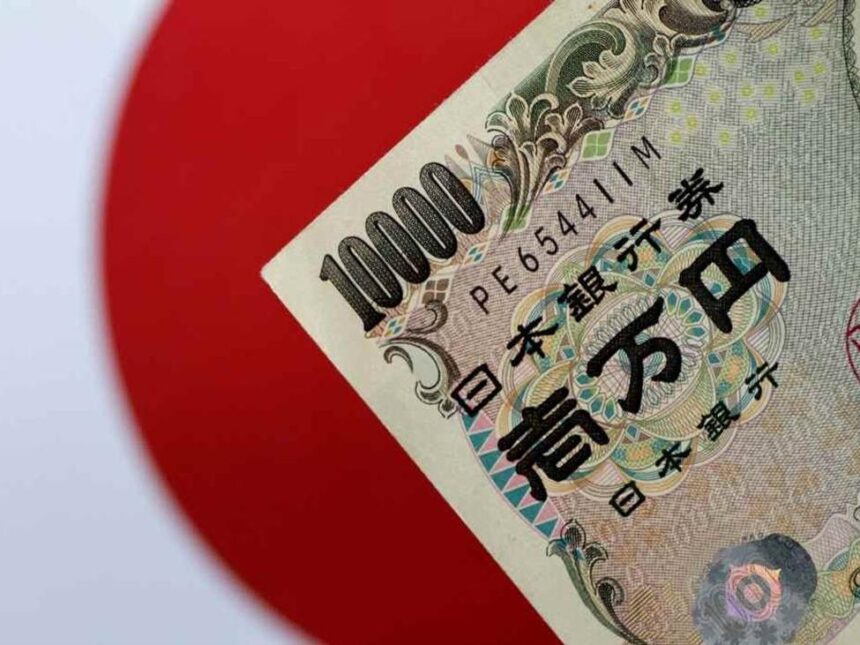
The ongoing tensions between the United States and Iran are influencing currency markets, with the US dollar and the Swiss franc gaining favor among investors. In contrast, the Japanese yen, traditionally regarded as a safe-haven asset, has diminished in appeal over recent months. This decline has been exacerbated by rising oil prices, which have prompted concerns over energy security and overshadowed safe-haven demand.
Rising oil prices are not only leading to broader economic anxiety for Japan but are also projected to increase the country’s trade deficit. With Japan’s heavy reliance on energy imports, the situation raises the specter of cost-push inflation, a concern that the Bank of Japan (BOJ) is keen to avoid. This type of inflation is at odds with the BOJ’s objectives, posing greater challenges for the nation’s economy.
Morgan Stanley MUFG has projected that a 10% surge in oil prices could reduce Japan’s real GDP by roughly 0.1%, suggesting potential short-term stagflation risks. As a result, the previously steady demand for the yen as a safe haven seems to be overshadowed by these emerging economic issues. Since the onset of the Takaichi trade last October, the yen has been on a downward trajectory.
Currently, the USD/JPY exchange rate has surged to 157.00, marking a three-week high. Traders have been cautious, wary of provoking intervention from Tokyo officials, yet the current dynamics indicate a tendency for the yen to weaken further. There is a possibility that the Japanese Ministry of Finance may consider intervening to stabilize the currency, as was seen in mid-2024. However, such measures may only provide a temporary reprieve, as indicated by historical trends where the USD/JPY rebounded to nearly its previous highs shortly after interventions.