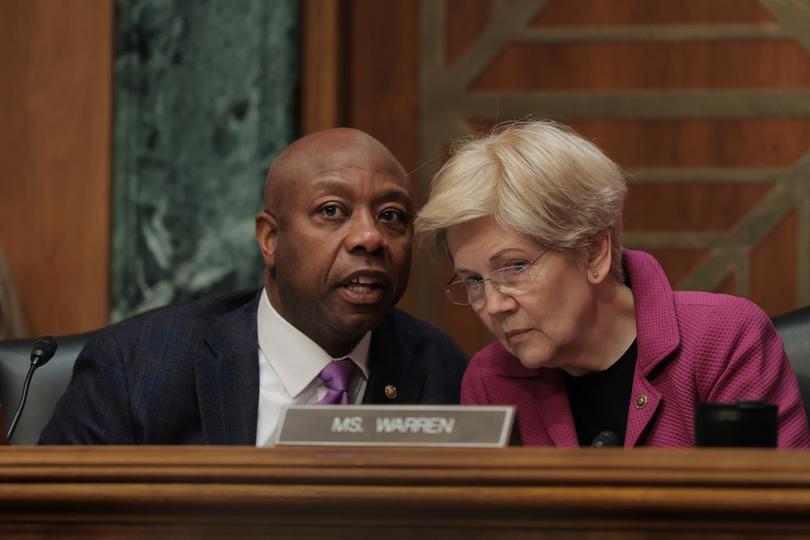
The Senate Committee on Banking, Housing and Urban Development has advanced a bipartisan legislative initiative designed to enhance the housing landscape in the United States. Titled the “21st Century ROAD to Housing Act,” this measure, introduced by Committee Chairman Tim Scott and Ranking Member Elizabeth Warren, seeks to alleviate regulatory burdens and facilitate the construction of new housing units across the nation.
Scott emphasized the human aspect of this legislation, expressing a commitment to improving the economic prospects of individuals, particularly those like his mother, a single parent who raised him in North Charleston, South Carolina. He stated, “Not only is this bill about cutting regulatory red tape, lowering costs, and expanding housing supply while generating no new spending, but it’s about making sure people … have even greater access to economic opportunity and the American dream of homeownership.”
Warren echoed Scott’s sentiments, highlighting the bill’s incorporation of bipartisan housing strategies from the House and noting its potential to address issues related to corporate landlords that threaten to displace families from homeownership. She described the legislation as a “good first step” in curbing the influence of these landlords.
Interestingly, the bill also contains a provision that temporarily prohibits the Federal Reserve from issuing a central bank digital currency (CBDC), although neither Scott nor Warren specifically mentioned it in their statements. This prohibition is encapsulated in just two pages of the 303-page bill, echoing similar measures in previous legislative attempts. Notably, the House of Representatives had passed the CBDC ban as a standalone bill last year, but it has not progressed through Congress.
The specific language of the bill states that “Except as provided in subsection (c), the Board of Governors of the Federal Reserve System or a Federal reserve bank may not issue or create a central bank digital currency or any digital asset that is substantially similar to a central bank digital currency directly or indirectly through a financial institution or other intermediary.” The provision includes a sunset clause set for December 31, 2030, and allows for the creation of permissionless private “dollar-denominated” currencies that uphold the privacy protections associated with physical currency.
The White House has expressed its support for the bill, particularly highlighting the importance of the CBDC provision. In a “Statement of Administration Policy,” the administration underscored its alignment with the legislation by stating that it addresses significant threats to personal privacy and liberty posed by the potential development of a CBDC.
As this bill makes its way through the legislative process, it promises to tackle pressing issues in housing while also addressing broader concerns about digital currency and privacy rights.