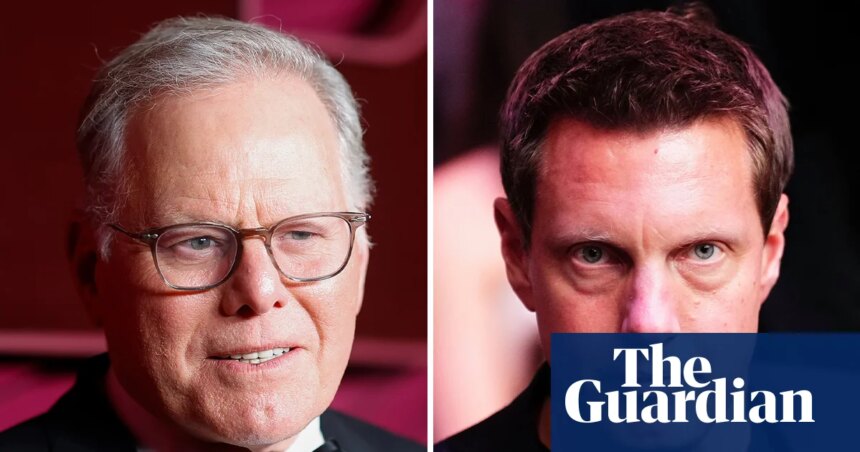
Champagne celebrations erupted at Paramount Skydance headquarters last week following the media conglomerate’s successful bid to acquire Warner Bros. Discovery for $110 billion, outperforming previous frontrunner Netflix. During a call with analysts and investors on Monday, CEO David Ellison expressed his confidence that the merger would swiftly gain approval from regulatory bodies both in the United States and internationally. He stated, “We’ve been engaging with regulators around the world, and the combination does not come close to hitting any of the metrics that would be problematic.”
However, significant challenges loom over the deal, including vocal opposition from several Democratic senators, raising the specter of potential antitrust legal battles. While Congress lacks the power to block the merger outright, state attorneys general could seek to prevent it through litigation. Alvaro Bedoya, a former Federal Trade Commission commissioner, asserted, “I definitely think they have a shot at stopping it if they pool their resources to make a challenge.”
California Attorney General Rob Bonta confirmed he is in discussions with other state attorneys general regarding the matter, emphasizing that the merger still faces considerable scrutiny. Bonta noted that the California Department of Justice is conducting an open investigation and vowed to conduct a thorough review.
Experts in antitrust issues underscore the seriousness of the potential implications of this merger. Bill Baer, a former assistant attorney general in charge of the antitrust division of the U.S. Department of Justice, remarked that a joint lawsuit from state attorneys general could pose a significant hurdle for the deal, despite official federal approval.
In addition to the U.S. regulatory landscape, the merger must secure the nod from European Commission and UK antitrust authorities. Competition expert Cristina Caffarra believes regulatory approval won’t be a substantial hurdle in Europe, citing minimal public concern since the merger isn’t expected to result in significant job losses. She noted a lingering reluctance to disrupt a supportive relationship with Donald Trump, who has strong ties to the Ellison family.
Nonetheless, combining HBO Max and Paramount+ raises potential competition concerns, especially regarding the overall labor market and job security. Bedoya cautioned that the merger could create a concentrated market for specific film studios, potentially leading to widespread layoffs in the entertainment sector.
The combined entity will also carry a considerable debt load of $79 billion, which may result in aggressive cost-cutting measures, further raising alarm among industry professionals. The Writers Guild of America has formally opposed the merger, warning that diminished competition could have disastrous effects on writers, consumers, and the entertainment industry at large.
Opposition from U.S. senators has emphasized the risks of creating excessive market concentration. Senators Elizabeth Warren and Richard Blumenthal articulated their concerns in a letter, arguing that such a merger would allow one family to wield unprecedented power over American entertainment.
While the Department of Justice has yet to comment on the matter, reports indicate the deal remains under active review. Ellison remains optimistic about a swift resolution to regulatory proceedings, stating, “We will work incredibly collaboratively with regulators to ensure that we get a quick path to closing.”
Although Paramount was not initially the preferred bidder, they have already completed multiple information requests from the Department of Justice as part of the regulatory process. The expiration of a 10-day waiting period mandated by the Hart-Scott-Rodino Antitrust Improvements Act passed in February, indicating no statutory barriers currently exist for the merger in the U.S.
Experts remain vigilant, with Baer acknowledging that while there are signs the Justice Department may lean toward approval, there exists a substantial chance that the transaction could experience delays due to ongoing inquiries.