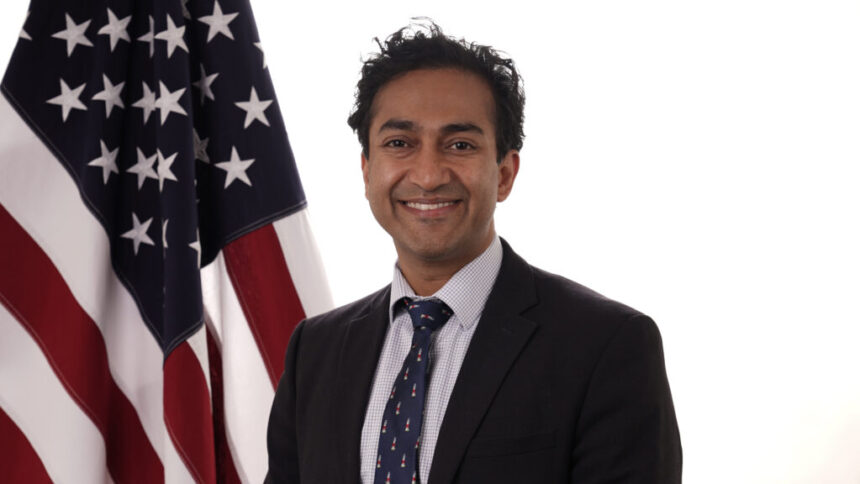
In a significant shift at the Food and Drug Administration (FDA), Vinay Prasad, a high-profile official, is set to depart the agency again at the end of April. His exit marks a notable chapter in a tenure that has been characterized by both considerable achievements and contentious controversies. FDA Commissioner Marty Makary confirmed Prasad’s departure, stating that a successor has not yet been named.
Prasad, who has served as the director of the Center for Biologics Evaluation and Research (CBER), has drawn attention for his involvement in pivotal agency decisions, particularly during the COVID-19 pandemic. His initiatives included reducing the number of clinical trials required for drug approvals and establishing a new expeditious drug review program. Additionally, he advocated for a limited approval approach to COVID vaccines, focusing on individuals over 65 and those with specific risk factors. Despite these contributions, his leadership has faced scrutiny, especially concerning his handling of rare disease drugs.
Recent actions under his oversight have raised concerns among patient advocates. CBER has rejected multiple cell and gene therapies that many experts believe would have received approval under previous administrations. Such decisions have prompted criticism from drug manufacturers, who argue that the agency reversed prior agreements regarding clinical trials. For instance, a treatment for a rare blood cancer was previously on track for approval but was subsequently dismissed due to new concerns over clinical data.
Prasad’s departure follows a backdrop of high turnover at the FDA, especially among officials aligned with the Trump administration. The Center for Drug Evaluation and Research (CDER) experienced five different directors in 2025 alone. His exit may add to the ongoing narrative of instability within the agency, which has seen prominent figures resign or be dismissed for various reasons, including allegations of political influence undermining scientific integrity.
Prasad initially took the helm of CBER in May 2025 but faced backlash just months later due to decisions involving a treatment for Duchenne muscular dystrophy. Although he was briefly removed, he was reinstated after advocacy from Makary. Upon his return, he took decisive actions, including the dismissal of a key vaccine safety and surveillance official and exerting control over significant agency functions.
While he was credited with several advancements, including a more aggressive approach to scrutinizing rare disease drugs, this has coincided with mixed messages about the agency’s commitment to regulatory flexibility. Many advocate for patients with rare diseases remain skeptical about the alignment of verbal reassurances and actual actions taken by the FDA.
Prasad’s management style also drew criticism, as reports surfaced of an environment marked by distrust and a culture of fear among employees. Observers noted that he maintained an unusual level of control over staff operations, requiring transparency in their schedules while keeping his calendar private. Human resources reportedly received multiple complaints concerning his approach to leadership.
As Prasad prepares to return to his academic roots at the University of California, San Francisco, the FDA faces the task of finding a suitable successor who can navigate the complex landscape of drug regulation and restore confidence both within the agency and among the public. The next few months will be crucial as the FDA seeks to regain stability and address the challenges presented by its recent decisions.