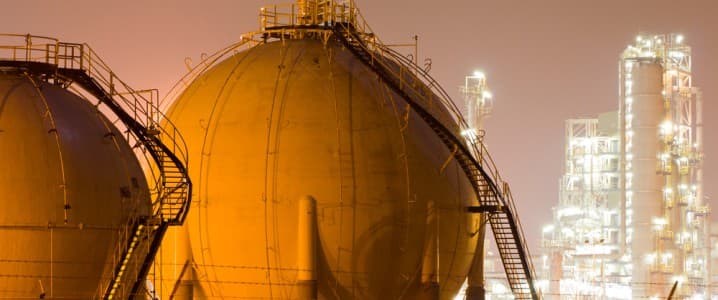
The ongoing conflict in the Middle East has dramatically disrupted global energy markets, with Qatar’s liquefied natural gas (LNG) production coming to a grinding halt. This disruption follows a series of events, including a drone attack at Qatar’s Ras Laffan facility, the largest LNG complex in the world, and significant restrictions on tanker traffic through the crucial Strait of Hormuz. As a result, QatarEnergy, the state-owned energy firm of Qatar, has issued force majeure notices to buyers, compounding the instability in LNG supply.
Morgan Stanley analysts have issued a stark warning: if the production outage extends beyond a month, the LNG market could swiftly shift from an anticipated surplus to a deficit. Before the outbreak of hostilities, investment banks, including Morgan Stanley, had predicted a significant influx of LNG into the market this year. However, the current geopolitical situation has upended these expectations, leading to a precarious outlook for global LNG supplies.
Energy Minister Saad al-Kaabi highlighted the challenges facing the industry, stating that even if peace were restored immediately, it would take “weeks to months” for Qatar to reestablish its normal energy delivery schedules. This situation raises concerns about the potential for oil prices to surge dramatically. Al-Kaabi indicated that if the Strait of Hormuz remains closed to tanker traffic, crude oil prices could escalate to as high as $150 per barrel within a couple of weeks. As of Monday, oil prices had already surged to $100 per barrel, reflecting the market’s anxiety over supply disruptions.
In tandem with rising oil prices, natural gas costs are also experiencing upward pressure. Asian markets, in particular, are attracting a majority of flexible-destination LNG cargoes, which is drawing resources away from Europe amid heightened competition for available supply. Following a staggering 50% increase in European gas prices last week, the benchmark prices surged by an additional 20% at the weekend open in Amsterdam, indicating that the market turmoil is far from over.
The cascading effects of the Middle East conflict are being closely monitored by global energy analysts, as the energy landscape appears increasingly fraught with uncertainty in the coming weeks and months.